How to Choose the Best Home Solar Energy System for Your Needs in 2026?
Choosing the right Home Solar Energy System can feel overwhelming. In 2026, many options are available. Each system has different features and benefits. Proper research can lead you to the best fit for your needs.
Consider how much energy you consume daily. This will narrow down your options. Additionally, reflect on your budget. Some systems may require higher upfront costs but save money long-term. Installation and maintenance also matter. A poor installation can lead to lower efficiency and higher costs down the road.
Community opinions can provide insight. Ask neighbors about their systems and experiences. But beware, not all advice may serve your situation. Every home is unique, and what works for one may not work for another. Gather information, but trust your own judgments ultimately.
Factors to Consider When Choosing a Home Solar Energy System in 2026
Choosing the right home solar energy system in 2026 involves understanding several key factors. Start with your energy needs. Calculate your monthly electricity consumption. This gives you a baseline. Consider the size of your roof. How much sunlight does it receive? A shaded roof can result in underperformance. Examine local regulations and incentives. They can influence your final decision.
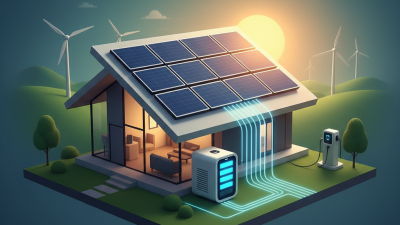
Think about battery storage options. Do you want to store excess energy? A good battery system can offset rainy days and nighttime use. Monitor your budget. High upfront costs may be daunting. Analyze potential savings on utility bills. Seek expert consultations, but be cautious. Not all advice will meet your unique situation. Keep an eye on emerging technologies. New innovations could reshape your choices.
Finally, consider your long-term goals. Are you planning to expand your home? Anticipate future electricity requirements. Make room for unexpected changes. Plan for maintenance as well. Regular checks can ensure efficiency but require time and effort. Reflect on your priorities and make informed choices.
Factors Influencing Home Solar Energy System Choices in 2026
Understanding Solar Panel Efficiency Ratings and Their Impact on Energy Output
When selecting a solar energy system, efficiency ratings are essential.
Solar panel efficiency indicates how well a panel converts sunlight into electricity.
Higher efficiency means more energy output from less space. For homeowners, understanding these ratings can help in maximizing energy usage.
Many factors affect solar panel efficiency.
Temperature, shading, and angle of installation play critical roles. Even small obstacles can decrease energy production.
Therefore, evaluating your home's location is crucial. A comprehensive assessment might reveal potential issues.
It's important to consider how these elements interact with the chosen panels.
Additionally, not all panels are created equal. While high-efficiency panels are appealing, they may not be necessary for every setup.
In some cases, lower-rated panels could suffice and save money.
The final decision should reflect your specific needs and lifestyle, avoiding a one-size-fits-all approach.
Balancing cost and efficiency requires careful thought and consideration.
Evaluating Different Types of Solar Energy Systems: Grid-Tied vs. Off-Grid
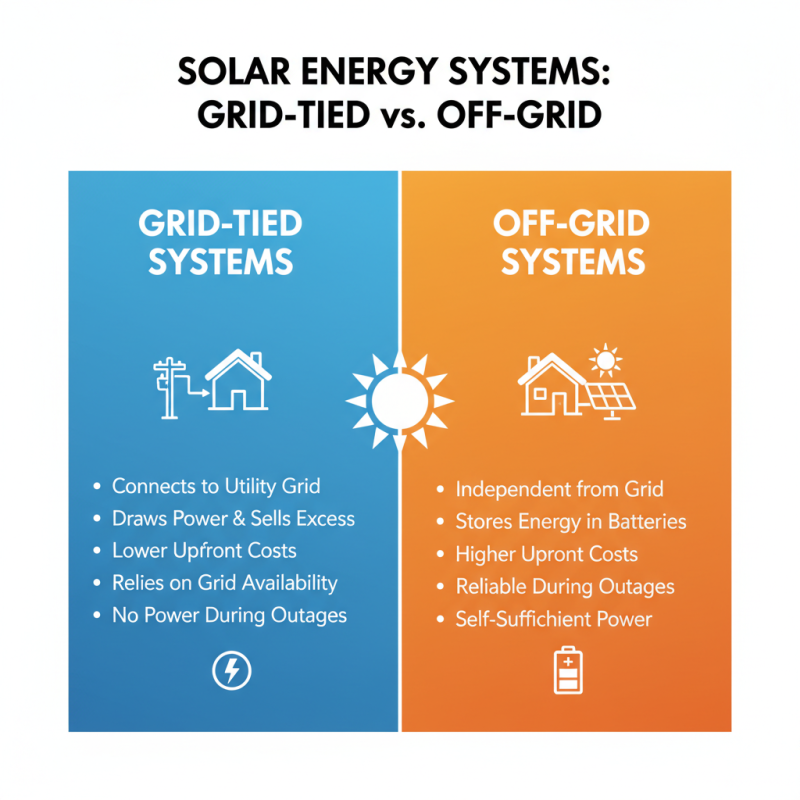
When considering solar energy systems, two main types stand out: grid-tied and off-grid. A grid-tied system connects directly to the utility grid. This option allows homeowners to draw power when needed and sell excess energy back. It usually has lower upfront costs. However, it relies on grid availability. During outages, these systems may not provide power.
Off-grid systems work independently of the utility grid. They are powered by solar panels and battery storage. This means reliable energy access, even in remote locations. However, they require larger battery banks, which increase the initial investment and maintenance efforts. Depending on location, it might be challenging to generate enough energy.
Each system has its pros and cons. Choosing one involves evaluating your energy needs, budget, and location. Consider future plans, too. A growing family or home office might change your energy consumption. Reflecting on these factors can lead to a more informed decision, aligning with your lifestyle.
Financial Incentives and Rebates for Home Solar Installations in 2026
In 2026, the push for solar energy will be stronger than ever. Many homeowners will consider installing solar systems. Understanding financial incentives is crucial for making informed choices. Various government programs will provide rebates and tax credits to lower initial costs. These incentives can significantly make solar energy systems more accessible.
Homeowners should research available incentives in their areas. Some programs may offer upfront savings, while others involve long-term credits. It’s essential to check eligibility requirements. Many homeowners miss out because they do not fully understand these options. Each state may have different rules and available programs for rebates.
Investing in solar energy should not be rushed. Evaluating total costs versus potential savings is important. Many factors, like roof space and energy needs, will influence decisions. Calculating the return on investment can be complex. Homeowners must also consider fluctuating energy prices in the future. Careful planning will lead to better outcomes, both financially and environmentally.
Assessing the Long-Term Savings and ROI of Residential Solar Energy Solutions
When considering a residential solar energy system, long-term savings are crucial. Estimating costs must involve installation fees, equipment, and maintenance. Most systems pay off within five to ten years. However, this can vary by location and energy use. The potential for government incentives can heighten savings. Yet, these incentives are often complex and may change.
Return on investment (ROI) is essential to evaluate. Solar panels can increase home value. In some cases, homes with solar sell faster. Calculating your energy bill reduction can help. Monitor fluctuations in energy prices over time. A sudden rise in utility rates could swing your ROI calculation in favor of solar. Still, not every area benefits equally from solar energy. Local weather conditions and sunshine hours significantly impact energy generation.
You should also consider potential drawbacks. The upfront costs can be daunting. Issues with panel efficiency and longevity can create doubt. Maintenance is sometimes overlooked but is vital for ongoing savings. Many homeowners find themselves overwhelmed by the options. Research is key. Engage with community solar initiatives or online forums. These resources can provide valuable insights but also come with mixed opinions. Navigating this landscape requires careful thought.