China Top Solar System Innovations Revolutionizing Renewable Energy?
The "System Solar System" industry is at the forefront of renewable energy innovations. Experts in this field, like Dr. Ming Zhao, emphasize the potential of these advancements. He recently stated, "Innovative solar systems can transform how we harness energy." This perspective reflects the growing excitement around solar technologies.
China leads the way with groundbreaking solutions. The integration of AI in solar system development is crucial. Innovations like smart tracking systems optimize energy collection. Additionally, these technologies enhance efficiency, addressing previous limitations in solar energy capture.
Despite the impressive strides, challenges remain. The complexity of integrating new technologies poses concerns. Some systems may underperform in specific conditions. Continuous improvement and feedback are necessary. As we explore the future of the "System Solar System," it is vital to stay vigilant and address these shortcomings.

China's Dominance in Solar Energy Production and Capacity Expansion
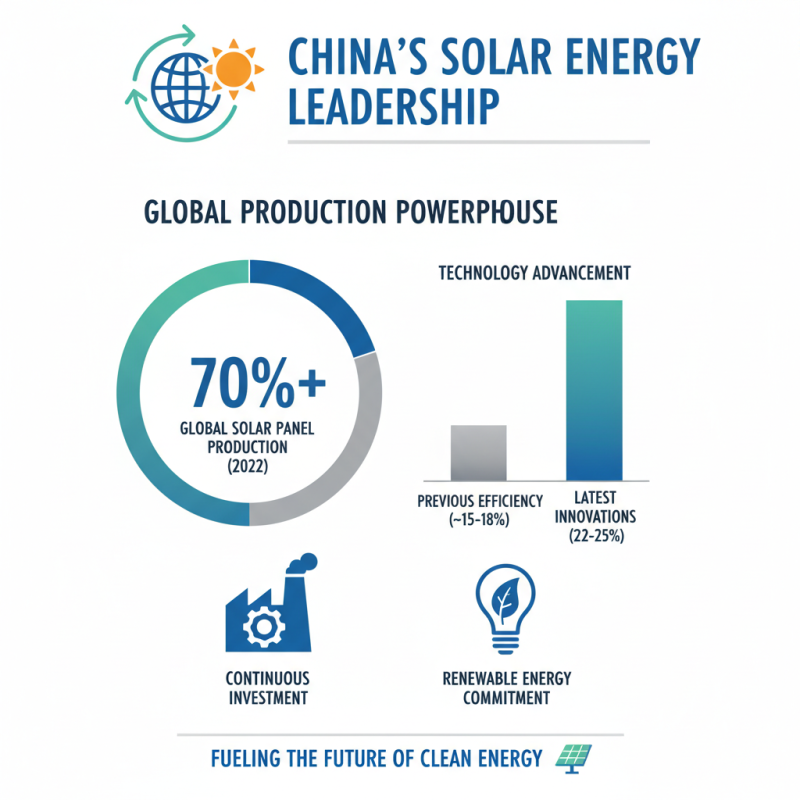
China has firmly established itself as a leader in solar energy production. Recent reports indicate that China accounted for over 70% of global solar panel production in 2022. This impressive figure showcases the country's commitment to renewable energy. Continuous investment in technology has led to advancements in solar efficiency. For instance, the latest innovations have improved panel efficiency rates to around 22-25%.
Moreover, China's capacity expansion in solar installations is remarkable. By the end of 2022, the country's total solar capacity reached approximately 392 gigawatts. This achievement reflects a significant increase from previous years. However, challenges remain. While growth is rapid, not all installations are optimized for maximum output. There are still issues with energy storage and grid integration.
The focus on solar energy has sparked discussions about sustainability. While China leads in production, its carbon footprint remains a concern. The push for solar may still impact the environment in other ways. Balancing rapid growth with ecological responsibility continues to be a pressing issue for policymakers.
Innovative Technologies Transforming Solar Panel Efficiency and Cost
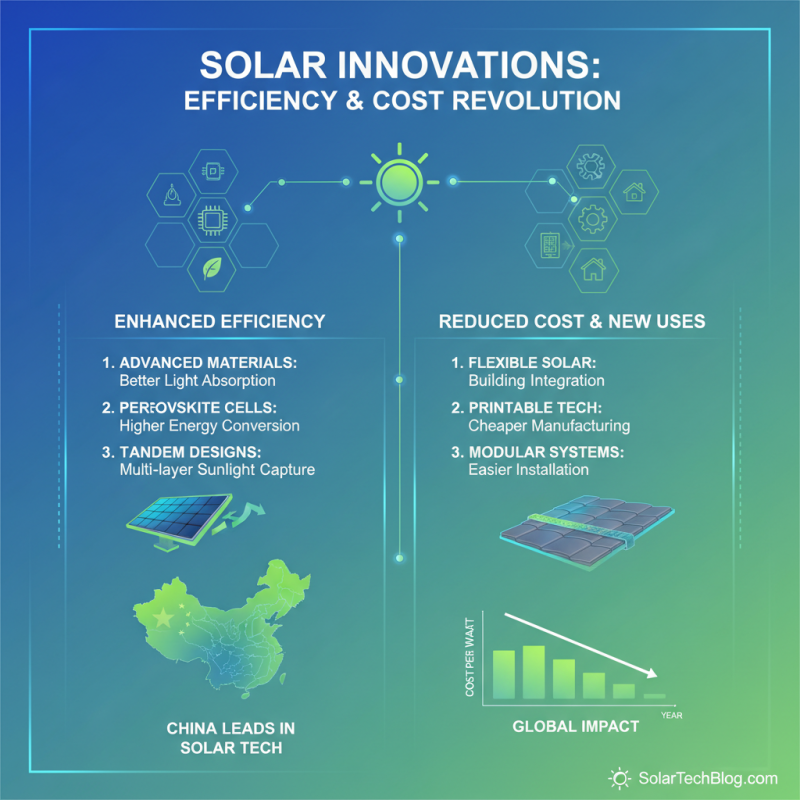
Innovative technologies are reshaping solar panel efficiency in China. Advanced materials are now used to enhance light absorption. These developments allow panels to convert sunlight into electricity more effectively. Some researchers focus on flexible solar cells. This flexibility opens up new applications, such as integrating solar technology into building materials.
Cost reduction is another crucial aspect. Companies are finding ways to lower production costs without sacrificing quality. Automation in manufacturing plays a significant role in this trend. However, challenges remain. Not all innovations are economically viable yet. Some new methods require substantial investment. Balancing innovation with cost-effectiveness is a delicate task.
Moreover, the recycling of solar panels poses an issue. As adoption grows, waste management must improve. Efforts to create fully recyclable panels are ongoing. Keeping sustainability at the forefront is essential. While strides are being made, not every breakthrough meets market demands. There's a continuous need for improvement and adaptation in this dynamic field.
Government Policies and Incentives Supporting Solar Innovation in China
In recent years, China's government has introduced several policies to enhance solar energy innovation. These policies include financial incentives for companies that develop solar technologies. Subsidies often help cover the costs of research and development. This financial support encourages businesses to push the boundaries of solar systems.
Local governments also play a critical role in fostering innovation. They provide tax breaks and facilitate access to funding for emerging solar projects. Such support from local authorities helps smaller companies enter the market. However, not all initiatives have been equally effective. Some regions struggle with bureaucratic hurdles that may slow progress.
While China leads in solar energy production, it faces challenges. The rapid growth has led to an oversaturated market. Many smaller enterprises find it hard to compete. Policymakers need to reflect on how to balance innovation and market stability. Continuous improvement of these initiatives can ensure that China remains a leader in solar technology.
The Impact of Solar Innovations on Global Renewable Energy Markets
Solar energy is rapidly transforming global renewable energy markets. In 2022, solar power accounted for nearly 30% of new energy generation capacity worldwide. The International Energy Agency (IEA) predicts this could rise to 50% by 2025. China's innovations are a key driver in this shift, pushing efficiency metrics to new heights.
Innovative technologies, such as bifacial solar panels, maximize energy capture by utilizing both sides. These panels can increase energy output by 10-20%. Research from Bloomberg New Energy Finance shows that the global market for solar energy could exceed $1 trillion by 2030. However, as competitive as this field is, it also invites scrutiny. Issues around sustainability in solar production remain. Raw material sourcing for solar cells can lead to environmental harm, raising questions about the true eco-friendliness of solar solutions.
Moreover, the solar supply chain faces challenges. Finding materials like silicon can be inconsistent, often leading to delays. This reflects a broader need for improvement in scalability and resource management. Policy adjustments and investment in recycling technologies could address these concerns. As solar innovations continue to disrupt traditional energy models, balancing growth with sustainability becomes crucial.
China Top Solar System Innovations Revolutionizing Renewable Energy?
| Innovation Type |
Description |
Impact on Efficiency (%) |
Cost Reduction (%) |
Adoption Rate (%) |
| Bifacial Solar Panels |
Solar panels that capture sunlight from both sides, increasing energy yield. |
20 |
15 |
30 |
| PERC Technology |
Passivated Emitter and Rear Cell technology for higher efficiency in solar cells. |
25 |
10 |
40 |
| Solar Skin Technology |
Aesthetic solar panel designs that blend into rooftops. |
10 |
5 |
35 |
| Transparent Solar Panels |
Glass-like panels that generate energy while allowing light to pass through. |
15 |
20 |
25 |
| Energy Storage Solutions |
Advanced lithium-ion and solid-state batteries to improve energy storage. |
N/A |
30 |
50 |
Future Trends: China's Role in the Global Solar Energy Landscape
China has emerged as a dominant force in the global solar energy landscape. Innovations in solar technology are shaping how we harness renewable resources. Advanced solar panel designs boost energy efficiency significantly. These panels are now more affordable and accessible to consumers worldwide. However, challenges remain. The extensive production process can sometimes lead to environmental concerns.
The future of solar energy in China depends on public policy and investment. Government support plays a crucial role in scaling up efforts. Local manufacturers are enhancing their capabilities but face stiff competition. Quality assurance remains a concern across the industry. Despite the progress, some regions still rely heavily on non-renewable sources.
Moreover, the dynamic nature of solar technology often creates gaps in knowledge. Training programs can help bridge this gap. As more people become aware of solar benefits, the demand will rise. The balance between growth and sustainability is critical. Reflection on these factors can guide future innovations and practices.
China's Solar Energy Innovations: Yearly Capacity Growth (2019-2023)
This chart illustrates the remarkable growth of solar energy capacity in China from 2019 to 2023. As evident, the installed solar capacity has been consistently increasing, reflecting China's significant advancements and innovations in solar energy technology.