Best Solar Panel Kit Options for 2026 What to Consider?
As we move toward 2026, the demand for renewable energy solutions continues to rise. The solar panel market is expected to grow significantly. Reports suggest that the global solar panel market will reach over $223 billion by 2026. A key option for many homeowners is the solar panel kit. These kits offer an accessible way to harness solar energy.
When selecting a solar panel kit, several factors come into play. Efficiency ratings, battery storage options, and installation costs are crucial considerations. Many kits promise energy savings, but results can vary. Some might fall short of expectations, highlighting the need for careful research.
There is also a diverse range of products available. Not all solar panel kits are designed equally. Some kits may not perform well in certain climates, which requires scrutiny. Make sure to read reviews and seek expert opinions before making a decision. Users must weigh their options thoughtfully in order to find the best fit for their needs.

Best Solar Panel Kit Features to Look for in 2026
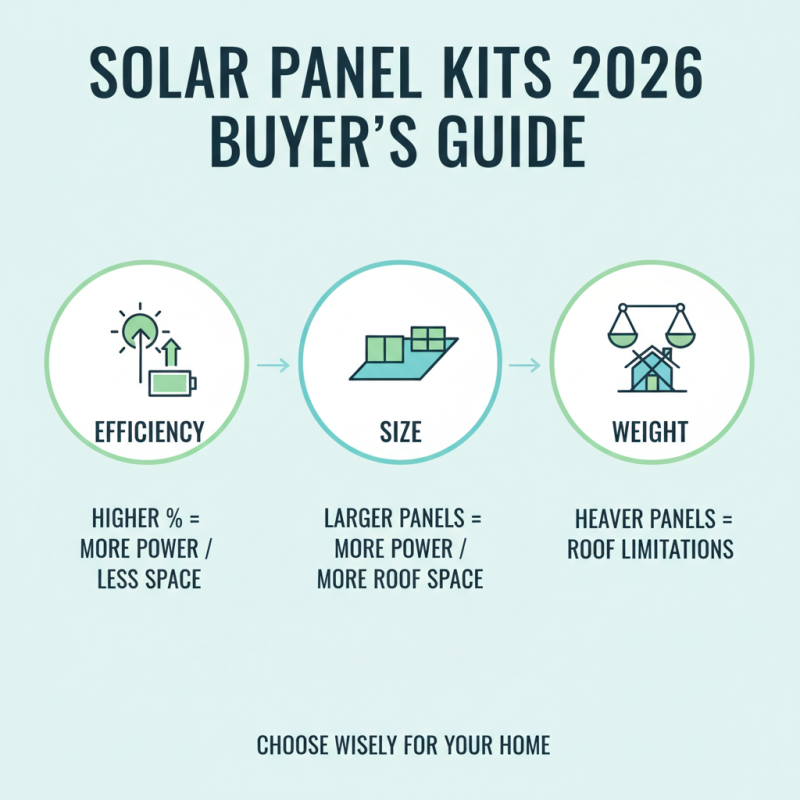
When choosing a solar panel kit in 2026, several important features stand out. Efficiency is crucial. Look for panels that convert sunlight into energy effectively. A higher efficiency rate means more power from less space. The size of the panels also matters. Larger panels typically generate more power, but they need adequate roof space. Don't forget about weight. Heavier panels may not be suitable for all roofs.
Battery storage options are another key consideration. A good solar kit should include reliable batteries to store energy for nighttime use. Check the battery capacity. It influences how long you can use stored energy. Durability is essential too. Panels should withstand harsh weather. Look for good warranty terms, which reflect the manufacturer's confidence in their product's longevity. These details often get overlooked in the purchasing process.
Cost is always a factor. Stay within your budget while ensuring quality. Sometimes, cheaper options lack important features, leading to regret later. Research reviews but remember, user experiences vary. It’s a balance between cost and performance. Investing time into understanding these features pays off. Planning now can lead to greater satisfaction down the line.
Key Performance Metrics: Efficiency Rates and Power Output
When evaluating solar panel kits for 2026, efficiency rates and power output are crucial metrics. Efficiency rates typically range between 15% and 22%. Higher efficiency panels yield more energy in a limited space. Some recent reports indicate that the average efficiency of residential solar panels has increased by 1.2% annually. These figures are encouraging for homeowners seeking to maximize their energy output.
Power output is equally important. It describes the amount of electricity generated under specific conditions. Most solar panels offer ratings from 250 to 400 watts. A standard 300-watt panel can produce about 900 kWh of energy annually, depending on sunlight exposure. However, this output can be affected by factors like shading, orientation, and geographic location. Many users overlook these variables when choosing their solar panels.
A significant concern is the degradation rate of solar panels. Most panels degrade by about 0.5% to 0.8% annually. This means that after 25 years, a panel's output could drop to around 80% of its original capacity. Buyers should factor in this nuance. The initial efficiency may look appealing, but long-term performance must also be considered. Balancing these metrics is essential for making an informed purchase decision.
Best Solar Panel Kit Options for 2026: Efficiency Rates and Power Output
Comparative Analysis of Cost vs. Benefits in Solar Kits
When considering solar panel kits, it's essential to weigh costs against benefits. Many kits offer various components like panels, inverters, and batteries. The initial investment can seem high. Yet, the long-term savings on electricity bills can be significant.
Maintenance costs can add up too. Some kits require more upkeep than others. Evaluating efficiency is crucial, but efficiency ratings can be misleading. Not every efficient panel suits every location. Shadowing, orientation, and climate also play vital roles in performance.
User experiences can vary widely. Some find DIY installation challenging. Others struggle with customer support. These factors often affect the overall satisfaction with a solar kit. While savings are appealing, users must reflect on their specific needs and circumstances. A thoughtful choice is necessary for a successful investment.
Inverter Types: Choosing Between String, Micro, and Power Optimizers
When choosing a solar panel kit, one crucial aspect is the inverter type. Three main options exist: string inverters, microinverters, and power optimizers. Each has unique benefits, but they all cater to different needs.
String inverters are the most common and cost-effective option. They connect multiple solar panels in series. However, their efficiency can drop if one panel is shaded. According to a report from the National Renewable Energy Laboratory, nearly 20% of energy loss in residential solar comes from shading.
In contrast, microinverters handle each panel independently. This leads to better performance even in partial shading. Yet, they can cost significantly more upfront.
Power optimizers offer a middle ground. They are similar to microinverters but still use a string inverter for one group of panels. This setup can improve efficiency while keeping costs lower. However, they require additional components, which might complicate installation.
Selecting the right inverter is essential for maximizing energy production and return on investment. Consider specifics like your roof's layout and potential shading. Balancing upfront costs with long-term performance is key for a successful solar transition.
The Impact of Warranty and Lifespan on Solar Panel Kit Selection
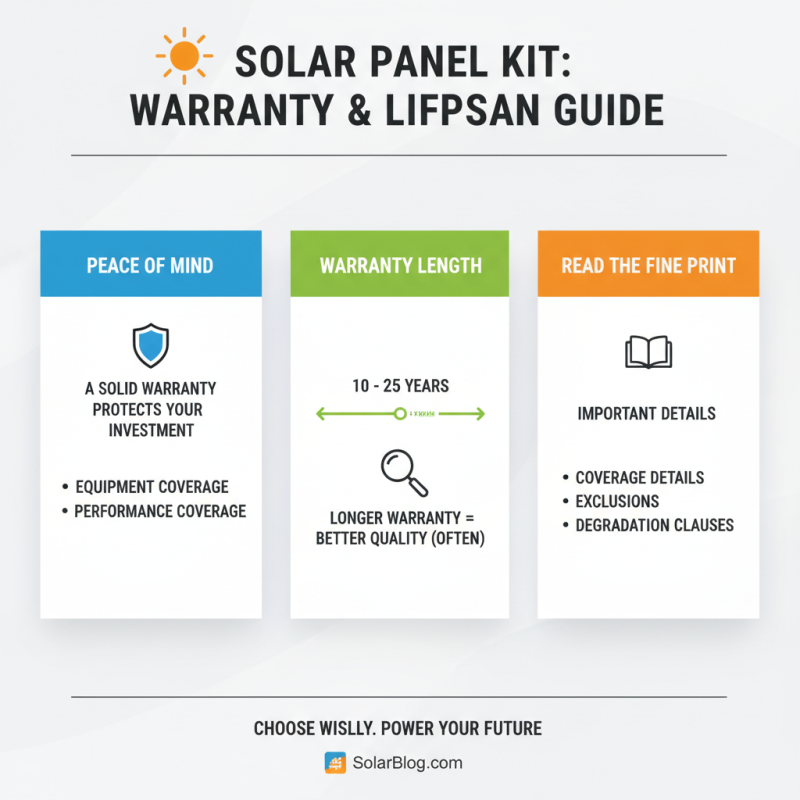
When selecting a solar panel kit, warranty and lifespan play crucial roles. A solid warranty can provide peace of mind. Look for warranties that cover equipment and performance. Many kits offer warranties ranging from 10 to 25 years. A longer warranty might indicate better quality. Still, it's essential to read the fine print. Not all warranties are created equal.
Lifespan is another factor to consider. Most solar panels last between 25 to 30 years. However, performance can decline over time. Efficiency drops slightly each year. You'll want to know how much. Some manufacturers guarantee a certain output after a specific period. This information can influence your choice. Consider installation and maintenance as well. Complex setups might require more frequent checks.
While a long warranty may seem attractive, it’s important to assess your needs. Do you plan to move? If so, a transferable warranty can be beneficial. Then again, creating a detailed plan might feel overwhelming. Research and reflect on all options. Take the time to understand what's at stake.