10 Best PV System Solutions for Sustainable Energy Use?
In today's world, implementing effective PV systems is crucial for sustainable energy use. According to Dr. Sarah Thomson, a leading expert in solar technology, "The future of energy lies in intelligent PV systems." This emphasizes the importance of innovative solutions in solar energy.
PV systems offer diverse opportunities for both residential and commercial sectors. However, not all systems are created equal. Some face challenges like efficiency, cost, and maintenance. Selecting the best solution requires careful consideration of these factors.
Moreover, many users do not fully utilize their PV system potential. They may overlook proper installation or fail to monitor performance effectively. This might lead to underwhelming results in energy generation. As we explore the ten best PV system solutions, we must reflect on both successes and shortcomings in the industry.
Overview of PV Systems and Their Importance in Sustainable Energy
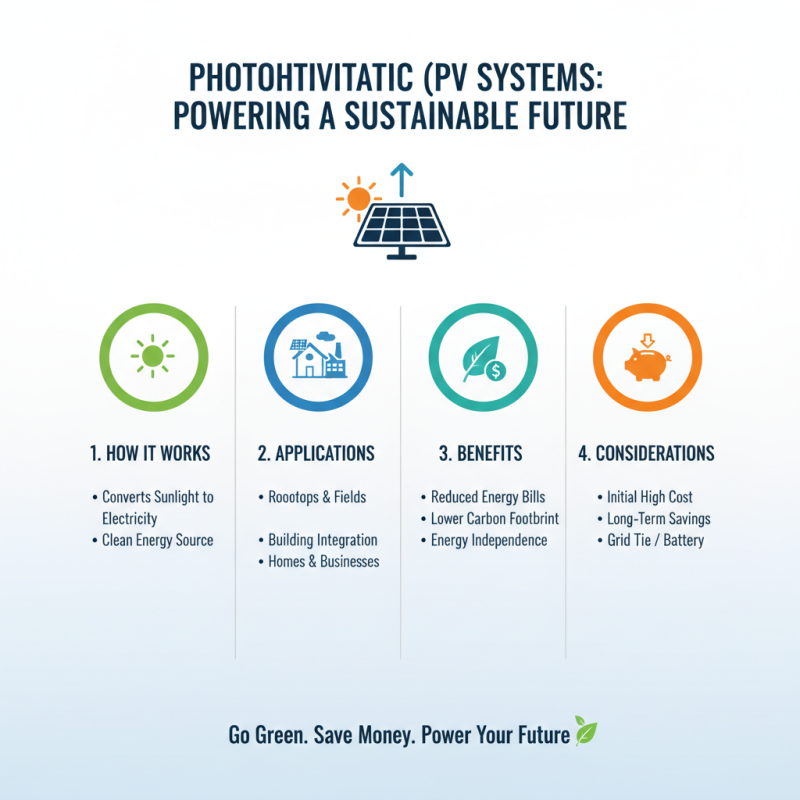
Photovoltaic (PV) systems play a crucial role in sustainable energy production. These systems convert sunlight into electricity, offering a clean alternative to fossil fuels. They can be installed on rooftops, in fields, or integrated into building designs. Many households and businesses rely on PV technology to reduce energy costs and lower carbon footprints. However, the initial installation costs can be high.
The efficiency of PV systems can vary based on location and weather. When sunlight is limited, energy production may decline. This variability poses a challenge for users. Additionally, the production of solar panels has environmental impacts. Toxic materials may be involved in the manufacturing process. Striking a balance between benefits and drawbacks is essential for sustainable energy use.
Despite these issues, the importance of PV systems cannot be overlooked. They contribute to energy independence and security. As technology advances, we see improvements in efficiency and storage. More affordable solutions are emerging. This evolution is crucial for a greener future. Exploring these systems shows both the potential and the need for critical reflection in our energy choices.
Types of PV System Technologies and Their Key Features
Photovoltaic (PV) systems are vital for sustainable energy. Different technologies exist, each with unique features. Monocrystalline panels are popular due to their efficiency. They have a sleek design and occupy less space. However, they can be more expensive.
Polycrystalline panels offer a budget-friendly option. These panels are made from multiple silicon crystals. While they are generally less efficient, they are widely available. Thin-film technologies are lightweight and flexible. They can be integrated into various surfaces, but their efficiency is typically lower.
Each type has strengths and weaknesses. Cost, efficiency, and space considerations play a role in selection. Sometimes, users may overlook maintenance needs. Proper care is crucial for longevity. Those entering the renewable energy market must research thoroughly. A one-size-fits-all approach rarely works in the PV landscape.
10 Best PV System Solutions for Sustainable Energy Use
| Technology Type |
Efficiency (%) |
Lifespan (Years) |
Cost per Watt (USD) |
Key Features |
| Monocrystalline |
15-22% |
25 |
0.70 - 1.00 |
High efficiency, space-saving |
| Polycrystalline |
13-16% |
25 |
0.60 - 0.80 |
Cost-effective, easier to produce |
| Thin-Film |
10-12% |
10-20 |
0.50 - 0.70 |
Flexible, lightweight design |
| Bifacial |
15-22% |
25 |
0.80 - 1.10 |
Generates power from both sides |
| Building-Integrated PV (BIPV) |
10-15% |
20-30 |
0.90 - 1.50 |
Aesthetic integration into buildings |
| Concentrated PV (CPV) |
20-30% |
20-25 |
1.00 - 1.50 |
Uses lenses or mirrors to focus sunlight |
| Organic Photovoltaics (OPV) |
10-12% |
5-10 |
0.30 - 0.50 |
Low-cost materials, flexible substrates |
| Perovskite Solar Cells |
15-25% |
10-20 |
0.40 - 0.80 |
High efficiency potential, low-cost fabrication |
| Nano Solar Cells |
10-14% |
10-15 |
0.50 - 0.80 |
Utilizes nanotechnology for improved efficiency |
Top 10 PV System Solutions for Enhanced Energy Efficiency
In the quest for enhanced energy efficiency, photovoltaic (PV) systems play a crucial role. An increasing number of homes and businesses are seeking sustainable energy solutions. According to a recent industry report, solar energy capacity has grown by 20% annually over the past five years, highlighting the rapid adoption of these systems. But are all PV solutions created equal?
Efficiency varies significantly among different PV systems. For example, monocrystalline panels typically offer high efficiency rates, reaching up to 22%. In comparison, polycrystalline options average around 16-18%. This disparity underscores the importance of choosing the right technology for specific needs. However, it's not just about the panels. The entire system's design, including inverter types and installation quality, greatly influences overall performance. Research notes that improper installation can lead to efficiency losses of up to 30%.
Additionally, while solar technologies promise sustainability, they also face challenges. The manufacturing process may generate carbon emissions, and the lifespan of PV modules raises concerns about waste. It's critical to weigh these factors when considering a PV investment. Engaging with energy audits can illuminate opportunities for improvement. Without proper analysis, even the best systems may underperform, leaving potential energy savings untapped.
10 Best PV System Solutions for Sustainable Energy Use
Criteria for Evaluating PV Systems for Sustainable Practices
When evaluating photovoltaic (PV) systems for sustainable energy practices, specific criteria become essential. Efficiency is a primary concern. It refers to how well a system converts sunlight into electricity. It's not merely about high output; it's about a balance between functionality and resource use. Higher efficiency can reduce the number of panels needed, saving space and materials. However, not all efficient systems are eco-friendly.
Durability and lifespan are also critical. A long-lasting system minimizes waste and replacement costs over time. Some systems may promise a long life but often have hidden flaws. Environmental impact should be assessed too. Materials used in production may not be sustainable. Recycling potential plays a crucial role. Systems that offer easy and effective recycling options are ideal.
Lastly, user-friendliness and maintenance requirements affect long-term sustainability. Complex systems can deter users from optimal efficiency. Simple setups encourage regular use and monitoring. Many solutions may shine on paper but falter in real-world conditions. Relying on data without practical testing can mislead. Evaluating these criteria critically aids in achieving genuine sustainability in energy use.
Future Trends in PV Systems and Sustainable Energy Integration
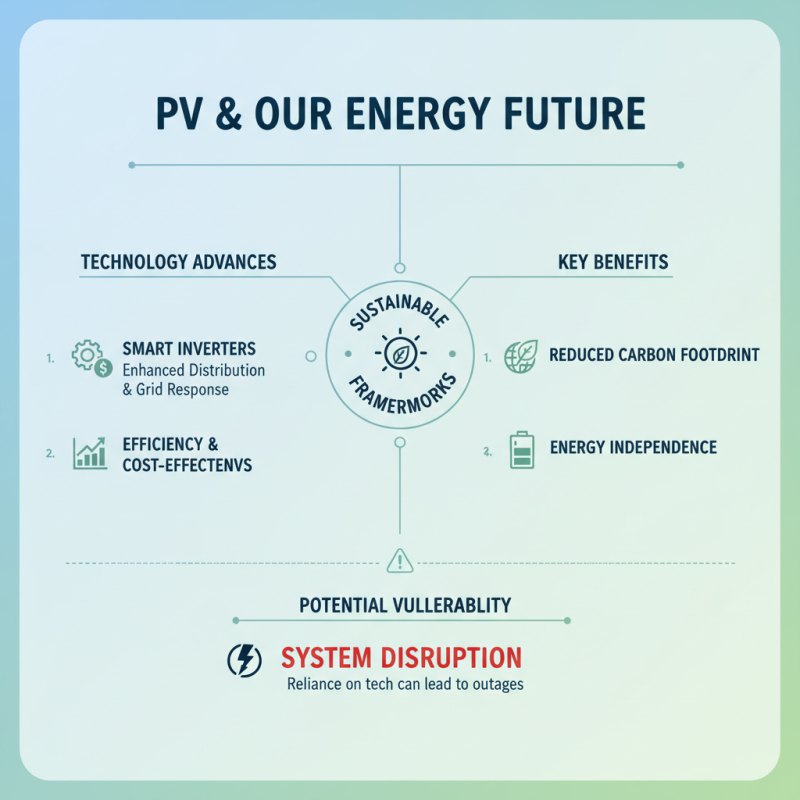
The integration of photovoltaic (PV) systems into sustainable energy frameworks is crucial for our future. As technology advances, the focus shifts towards efficiency and cost-effectiveness. Recent trends show an increase in the use of smart inverters. They enhance energy distribution and response to grid demands. But relying solely on technology can lead to vulnerabilities. A power outage can still disrupt the whole system.
Moreover, energy storage solutions are making strides. Battery technology is evolving and becoming more affordable. This allows for better energy management. However, our dependency on batteries raises questions about their environmental impact. Manufacturing and disposing of batteries remain significant challenges. Balancing renewable energy generation and storage is essential for sustainability.
Collaborative efforts among stakeholders will shape the future. Policymakers, engineers, and communities must work together. There is a need for innovative solutions that address both energy needs and ecological footprints. Moving forward requires conscious choices. It’s an ongoing journey toward a more sustainable energy ecosystem. The path forward isn’t without hurdles, but every step counts.