Top Benefits of Solar Panels For Homeowners in 2026?
As we move into 2026, homeowners are increasingly considering solar panels for homes. Reports indicate that solar energy adoption could reduce electricity costs by 70%. This substantial savings potential drives more homeowners to invest in solar technology. According to the Solar Energy Industries Association, the U.S. has seen a 40% rise in residential solar installations over the past five years.
Beyond cost savings, solar panels for homes provide environmental benefits. The National Renewable Energy Laboratory reveals that homeowners can cut carbon emissions by over 3 tons annually. This reduction is crucial for combating climate change. However, the initial investment can be daunting for some families. Financing options exist, but potential buyers must evaluate their long-term financial health.
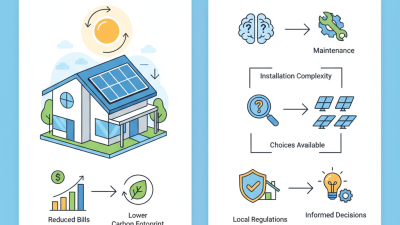
Despite the advantages, solar panels require regular maintenance and installation costs can vary widely. Homeowners should conduct thorough research before deciding. Embracing solar energy is a positive step, but it’s essential to weigh all factors carefully. The benefits are clear, yet the path to solar adoption may not be for everyone.

Top Benefits of Solar Panels for Homeowners in 2026
In 2026, the benefits of solar panels for homeowners become more pronounced. Reports indicate that solar energy can reduce monthly utility bills by up to 50%. This significant saving helps families allocate their budgets elsewhere. The return on investment also remains attractive. Homeowners can expect a payback period of around 6 to 8 years, depending on installation costs.
Moreover, solar panels increase property value. Properties with solar energy systems can sell for 4% more in some markets. This is compelling data for homeowners thinking of long-term investments. However, installation costs can be a barrier. For some, the initial investment feels daunting. There is a need for more accessible financing options to help ease this transition.
Environmental impacts are crucial. Using solar energy reduces carbon footprints, making homes more sustainable. Homeowners contribute to cleaner air and a healthier planet. Yet, the production process of solar panels raises concerns. What happens to waste and recycling? Reflecting on these factors is vital in the power shift toward renewable energy.
Top Benefits of Solar Panels For Homeowners in 2026
| Benefit |
Description |
Estimated Savings ($/year) |
Environmental Impact (CO2 Reduction in tons/year) |
| Reduced Energy Bills |
Solar panels can significantly lower electricity costs by generating power on-site. |
$1,000 |
1.5 |
| Increased Home Value |
Having a solar power system can increase the resale value of a home. |
$15,000 |
2.0 |
| Tax Incentives |
Homeowners may qualify for federal and state tax credits for installing solar panels. |
$3,000 |
0.3 |
| Energy Independence |
Solar panels can provide homeowners with a degree of energy independence from utility companies. |
N/A |
1.0 |
| Low Maintenance Costs |
Solar panels have minimal maintenance needs, resulting in lower overall costs. |
$200 |
0.1 |
Cost Savings on Energy Bills with Solar Panels
Solar panels are transforming energy consumption for homeowners. By 2026, installing solar panels will be a smart financial choice. Studies show that homeowners can save up to 30% on energy bills after installing solar systems. These savings make a significant difference, especially in a world where energy prices are on the rise.
The average solar panel system costs between $15,000 and $25,000. However, federal incentives and local programs can reduce these costs. A report from the U.S. Department of Energy indicates that homeowners recoup the installation costs within 5 to 7 years. As energy prices climb, this payback period will likely decrease, making solar increasingly appealing.
While many see solar as a money-saving investment, the initial costs can still be daunting. Some homeowners may have difficulty accessing financing. Others may feel unsure about maintenance needs and system efficiency over time. It's important to weigh these factors carefully. Despite these challenges, the long-term benefits of solar, like reduced energy bills and increased property value, can outweigh the initial hurdles.
Environmental Impact: Reducing Carbon Footprint Through Solar Energy
The environmental impact of solar energy is significant and profound. Homeowners in 2026 are discovering how solar panels can dramatically reduce their carbon footprint. According to the U.S. Energy Information Administration, solar energy could help eliminate over 18% of carbon emissions if widely adopted. This means cleaner air and a healthier environment for future generations.
Many homeowners may not realize that installing solar panels directly contributes to a decrease in fossil fuel reliance. By generating clean energy, each household can reduce its carbon output by an average of 4 tons annually. This individual effort collectively benefits the planet. However, challenges remain. Many still hesitate due to the upfront costs or lack of information on potential savings.
Tips: Evaluate local incentives for solar energy installations. Many regions offer tax credits or rebates, making the transition more affordable. Explore financing options to alleviate initial investment concerns. Educate yourself on energy consumption habits to maximize the benefits of solar technologies. One size does not fit all, and each home’s energy needs are unique. Making the switch is a personal journey toward a sustainable future.
Increased Home Value and Market Appeal with Solar Installations
Homeowners will see a significant boost in property values with solar installations in 2026. A recent industry report suggests that homes with solar panels sell for about 4% more than those without. For a $300,000 home, this means an increase of around $12,000.
Market appeal is also enhanced. Many buyers are eco-conscious and prefer energy-efficient options. A survey by the Solar Energy Industries Association found that 80% of homebuyers consider solar panels a valuable feature. Solar systems reduce electricity bills and provide energy independence.
Tips: Choose a reputable solar installer to maximize your investment. Ensure your system is adequately sized for your energy needs. Research local incentives and tax credits. Every detail matters when making this decision. Homeowners may overlook hidden costs like maintenance or insurance. Be aware of these factors to avoid future regrets.
Government Incentives and Rebates for Solar Panel Adoption
As homeowners consider solar panels in 2026, government incentives play a key role. These programs aim to reduce the installation costs significantly. Many regions offer tax credits that can cover up to 30% of the total expense. This financial support encourages more people to adopt renewable energy solutions.
Rebates are another great option. Local governments might provide direct cash back on purchase. The range varies by place, sometimes maxing out at several thousand dollars. Some homeowners worry about complicated application processes. In reality, many states simplify this experience. Clean energy is no longer just an eco-friendly choice; it’s also a smart financial move. However, it's crucial to stay informed about changing policies. Not every program lasts forever, and missing out could mean paying more later.
While solar panels promise savings and sustainability, hurdles remain. Variability in sunlight and initial costs can be daunting. From tax credits to rebates, the support systems are in place. Homeowners should thoroughly research options to leverage all available benefits. Making an informed decision is essential for maximizing investment in solar energy.
Conclusion
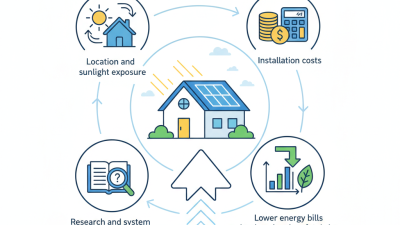
In 2026, homeowners stand to gain significantly from the adoption of solar panels for home use. One of the primary benefits is the substantial cost savings on energy bills, as solar panels harness renewable energy to reduce reliance on traditional power sources. Additionally, the use of solar energy contributes to a lower carbon footprint, making it an environmentally friendly choice that supports global sustainability efforts.
Beyond financial benefits, installing solar panels increases a home's value and market appeal, attracting environmentally conscious buyers. Moreover, government incentives and rebates are available to encourage homeowners to make the switch, making solar technology more accessible than ever. With ongoing advancements in solar technology enhancing efficiency and reliability, investing in solar panels for home use becomes an increasingly attractive option for today's homeowners.