Top Benefits of Using Solar Energy For Home Savings and Sustainability?
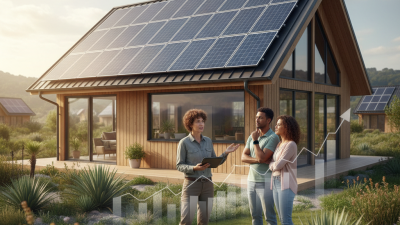
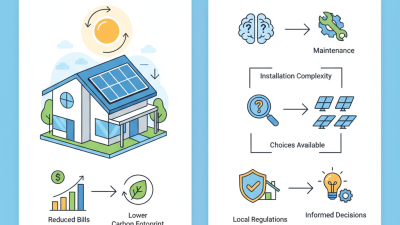
The shift towards "Solar Energy For Home" is reshaping how we approach energy consumption. According to the U.S. Energy Information Administration, the residential solar market is projected to expand significantly. By 2025, solar energy could account for 20% of home electricity use. This rapid growth reveals a strong trend towards sustainability and savings.
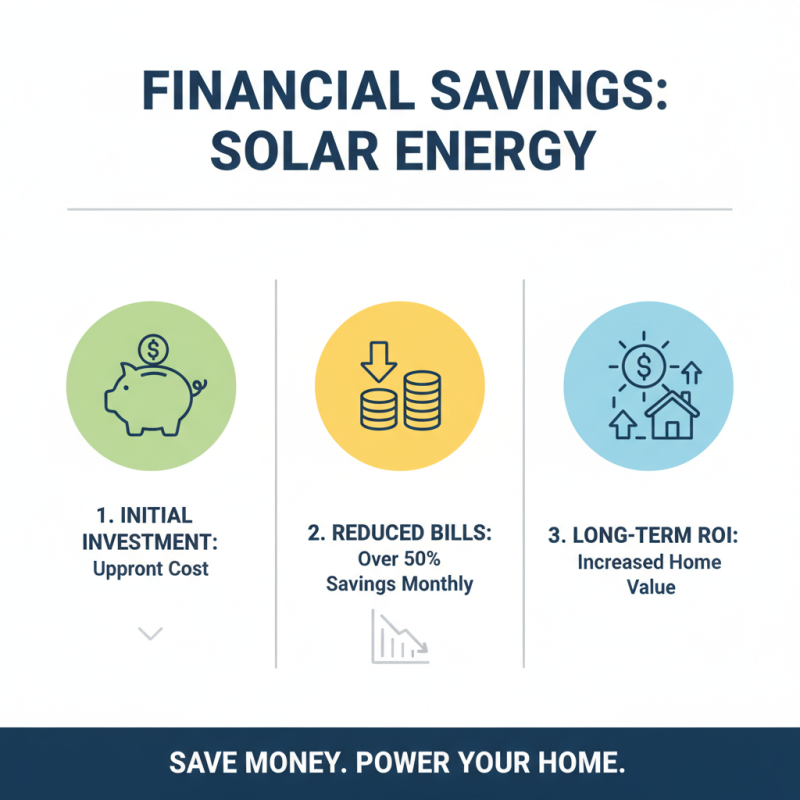
Homeowners harnessing solar energy benefit both economically and environmentally. A report from the National Renewable Energy Laboratory shows that solar panel installations can save homeowners over $30,000 on energy bills over 20 years. However, the initial investment can be daunting. Potential users must balance costs against long-term savings.
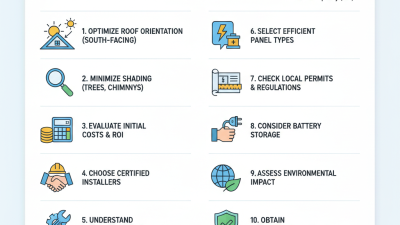
Despite the growing popularity, not all homeowners see immediate benefits. Factors such as location, roof orientation, and energy needs play critical roles. Understanding these variables is essential to maximize the advantages of solar energy. While solar installations can lead to reduced environmental impact, they don't eliminate the need for thoughtful planning and investment.
Top Benefits of Using Solar Energy for Home Savings and Sustainability
Solar energy offers significant benefits for homeowners looking to save money and promote sustainability. With rising electricity costs, many families are seeking alternatives. According to the U.S. Department of Energy, households that install solar panels can save up to 30% on their energy bills. This translates to hundreds of dollars saved annually, depending on energy consumption and local sunlight availability.
In addition to cost savings, solar energy contributes to environmental sustainability. The Solar Energy Industries Association reports that using solar power can reduce carbon emissions by approximately 90% over a system's lifetime. As climate change becomes a pressing issue, shifting to solar is a responsible choice. However, it is essential to recognize that installation costs can initially be high. Homeowners should consider their financial situation and available incentives before making a decision.
The transition to solar energy also invites challenges. Some regions may have limited sunlight, affecting system efficiency. It's crucial for homeowners to research their specific location and assess factors like shading and roof orientation. While solar panels have proven benefits, ensuring they are a practical fit for individual homes requires careful consideration and planning.
Top Benefits of Using Solar Energy for Home Savings and Sustainability
Environmental Impact: Reducing Carbon Footprint with Solar Energy
The environmental impact of solar energy is profound. Transitioning to solar power significantly reduces the carbon footprint of households. According to the U.S. Department of Energy, a typical home using solar panels can offset over 100,000 pounds of carbon dioxide in its lifetime. This is equivalent to planting more than 4,000 trees. These statistics highlight how solar energy contributes to a cleaner environment.
Switching to solar not only benefits the planet but also encourages energy independence. The average American household generates about 1.3 tons of carbon emissions annually from electricity alone. By harnessing solar energy, homeowners can drastically diminish this figure. However, some challenges remain, such as initial setup costs and energy storage solutions. Many families still hesitate to make the leap due to these obstacles.
Despite these hurdles, the long-term benefits are undeniable. Studies show that solar electricity can save homeowners thousands in energy costs. Furthermore, as technology advances, the efficiency and affordability of solar systems will continue to improve. The drive for sustainability is strong, and solar energy plays a crucial role in this journey toward a greener future.
Energy Independence: How Solar Enhances Home Energy Security
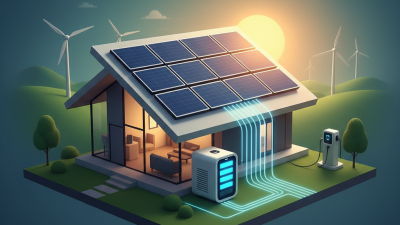
Energy independence is becoming increasingly important in today’s world. Solar energy offers a compelling way to enhance home energy security. By installing solar panels, homeowners can generate their own electricity. This reduces reliance on external power suppliers. When the sun shines, your home can be powered directly by the energy you create.
This shift not only saves money but also provides stability during outages. Imagine a storm knocking out power for hours. Your solar system can keep the lights on, thanks to battery storage solutions. In areas where utility prices fluctuate, solar can provide a predictable cost for energy. However, it is essential to evaluate your home’s sunlight exposure and energy needs before investing.
While embracing solar energy is a step toward sustainability, it’s important to consider potential challenges. Not every roof is suitable for solar panels. Trees or buildings might create shade, reducing efficiency. This is where personalized assessments come into play. Consulting experts can help optimize your solar setup. They can guide you through financing options and government incentives.
Increasing Property Value: The Market Appeal of Solar Installations
Investing in solar energy can significantly affect property value. Homes with solar installations often attract more buyers. This appeal stems from both financial savings and environmental consciousness. Many homeowners appreciate the lower energy bills that solar systems provide. A roof adorned with solar panels signals modern thinking and sustainability. Buyers often see this as a win-win situation.
Real estate studies show that homes equipped with solar energy can sell for more. The market increasingly values eco-friendly features. However, not all solar installations guarantee an increase in value. The quality of the system, location, and local regulations play essential roles. Homeowners should consider these factors when planning an installation. It’s essential to do thorough research.
While solar energy offers many benefits, it also comes with challenges. Initial costs can be high. Misunderstandings regarding energy savings can also lead to disappointment. Prospective buyers may require assurance about long-term benefits. Proper education about solar technology can help bridge this gap. In a rapidly changing energy landscape, staying informed is vital for homeowners.
Conclusion
The article "Top Benefits of Using Solar Energy For Home Savings and Sustainability" highlights the numerous advantages of integrating solar energy into residential settings. One of the most significant benefits is the financial savings that come from reduced energy costs and an attractive return on investment. Homeowners can significantly lower their monthly utility bills while contributing to environmental sustainability by decreasing their carbon footprint.
Additionally, solar energy enhances energy independence, providing homeowners with greater control over their energy resources and improving overall energy security. The installation of solar panels can also increase property value, making homes more appealing in the real estate market. Furthermore, various government incentives and tax benefits are available to maximize savings, allowing homeowners to adopt solar energy for home use more affordably and effectively. Overall, embracing solar energy is a smart, eco-friendly choice that offers both immediate and long-term benefits.