Top On Grid Solar System Benefits for Global Buyers?
The global interest in On Grid Solar Systems continues to grow, driven by environmental concerns and economic benefits. According to the International Renewable Energy Agency (IRENA), solar power capacity increased by 22% in 2020 alone. This rising trend highlights a shift towards sustainable energy solutions. Industry expert John Smith notes, "On Grid Solar Systems offer not only lower electricity costs but also contribute to energy independence."
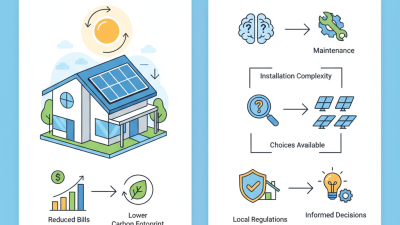
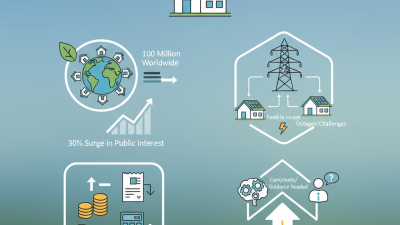
Buyers worldwide benefit from reduced energy bills and increased property values. However, the initial investment and potential setbacks in installation can pose challenges. Data from the Solar Energy Industries Association indicates that as of 2021, over 100 gigawatts of solar capacity was installed in the United States alone. This underscores the need for careful planning and evaluation regarding installation and maintenance.
Despite these benefits, it's important to acknowledge that not all regions are equally suitable for On Grid Solar Systems. Some areas face issues with grid reliability and local regulations. Therefore, potential buyers should approach their decisions cautiously, taking time to research and consult with experts in the field.

Understanding On Grid Solar Systems and Their Functionality
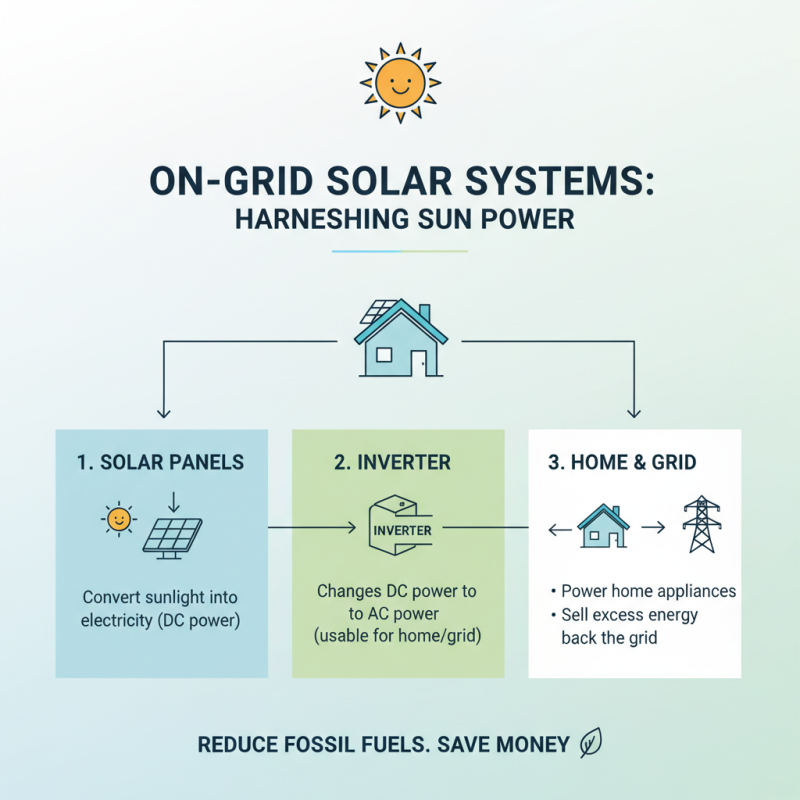
On-grid solar systems play a crucial role in modern energy solutions. These systems connect directly to the local electricity grid. This connection allows homeowners to sell excess energy back to the grid. It’s an efficient way to harness solar power while reducing reliance on fossil fuels.
Understanding their functionality is key. On-grid systems use solar panels to collect sunlight and convert it into electricity. This power can be used immediately, or fed into the grid. In many areas, this process can provide financial benefits. Yet, issues like grid outages can limit their effectiveness. In such cases, homeowners may lack power during blackouts. These systems depend on a stable grid.
Investing in an on-grid solar system requires careful thought. It’s essential to assess local regulations and incentives before deciding. Some may find that while savings are appealing, the initial investment can feel daunting. Additionally, factors such as maintenance and changing governmental policies must be taken into account. Buyers should always seek reliable information before making a commitment.
Key Financial Benefits of On Grid Solar Systems for Global Buyers
On-grid solar systems offer numerous financial benefits for global buyers seeking sustainable energy solutions. One significant advantage is the reduction in electricity bills. By generating energy from sunlight, households and businesses can lower their reliance on traditional power sources. This can lead to monthly savings, which accumulate over time.
Moreover, many regions provide incentives for those who install solar panels. These can include tax credits or rebates that enhance cost savings upfront. In some areas, surplus energy can be sold back to the grid. This not only brings additional income but also maximizes the investment in solar technology. However, the complexities of local regulations can sometimes limit these financial benefits.
Investing in an on-grid solar system also helps increase property value. Homes with solar installations often attract buyers due to lower energy costs. Yet, initial expenses can be a barrier for some. It’s essential for potential buyers to conduct thorough research and consider long-term savings. The financial analysis must reflect not just immediate gains but also the durability and efficiency of solar technology.
Environmental Impact of On Grid Solar Systems
The environmental impact of on-grid solar systems is significant. These systems harness sunlight to generate electricity, reducing reliance on fossil fuels. This shift decreases greenhouse gas emissions and helps combat climate change. Additionally, solar energy production requires minimal water, unlike traditional power plants.
However, the manufacturing process for solar panels can pose environmental challenges. Mining materials like silicon and lithium can result in habitat destruction. Therefore, it’s crucial to weigh the benefits against these impacts. Recycling programs for old panels are essential, yet they are not widely implemented.
On-grid solar also promotes energy independence. It encourages local job creation in installation and maintenance. Communities can feel empowered by generating their own energy. There are challenges, such as intermittency and storage solutions. However, advancements in technology are gradually addressing these issues.
Top On Grid Solar System Benefits for Global Buyers
| Benefit |
Description |
Environmental Impact |
Cost Savings |
| Reduced Carbon Footprint |
Solar energy significantly reduces greenhouse gas emissions. |
Lower CO2 emissions by up to 86% compared to fossil fuels. |
Potential savings of $1,000 annually on energy bills. |
| Sustainable Energy Source |
Solar energy is renewable and abundant. |
Utilizes an inexhaustible energy source. |
Long-term reduction in utility costs with no fuel cost. |
| Energy Independence |
Less reliance on imported fuels. |
Promotes local energy production. |
Stabilize energy prices and reduce energy cost volatility. |
| Job Creation |
The solar industry generates numerous job opportunities. |
Contributes to local economies. |
Increased job growth in renewable sectors. |
| Grid Stability |
Contributes to a more reliable energy grid. |
Reduces strain on the grid during peak demand. |
Lower infrastructure costs due to decentralized energy production. |
Comparison of On Grid vs. Off Grid Solar Systems
When considering solar systems, the choice between on-grid and off-grid options is crucial. On-grid solar systems connect to the public electricity grid. They enable users to leverage utility power when needed. In contrast, off-grid systems operate independently. They rely heavily on batteries, making them more expensive upfront.
On-grid systems are popular for their cost-effectiveness. According to a 2023 report by the International Energy Agency, on-grid installations have lower average costs per watt. The lack of battery storage reduces overall expenses. Additionally, users can sell excess energy back to the grid, providing potential income.
Tips: Evaluate your energy needs before deciding. Understanding your consumption habits can help determine the most suitable system. For many, on-grid systems provide reliable access to energy. However, they depend on the grid's stability.
In areas prone to outages, on-grid options may face unexpected difficulties. Off-grid systems offer independence but demand higher maintenance and initial investment. This is crucial since battery degradation affects efficiency over time. Balancing reliability, cost, and personal energy goals is essential for making an informed choice.
Best Practices for Selecting On Grid Solar Systems for Your Needs
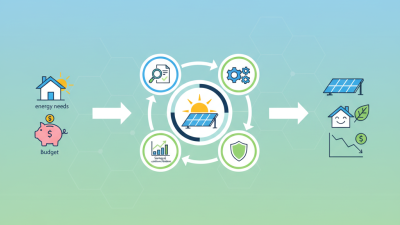
When selecting an on-grid solar system, buyers should assess several key factors. Understanding energy needs is vital. According to the National Renewable Energy Laboratory, most residential systems can range from 5 kW to 10 kW. Evaluate your electricity consumption over the last year. This data helps pinpoint the right system size for efficiency and savings.
Installation location significantly impacts performance. Factors like roof angle, shading, and geographic location are crucial. A study by the Solar Energy Industries Association (SEIA) highlights that even a small amount of shading can reduce output by 20% or more. Buyers should ensure their chosen system can perform effectively under local conditions.
Lastly, consider warranty and support options. Many systems offer 10-25 years of warranty, but understanding coverage details is essential. Some buyers find themselves disappointed when support isn’t available after installation. Researching common issues within a specific system type can save future headaches. Your choices will influence not just savings but your overall experience with solar technology.
Top On Grid Solar System Benefits for Global Buyers
This chart illustrates the key benefits of on-grid solar systems valued by global buyers. Cost savings lead the way, highlighting the financial incentive for adopting solar energy, followed by sustainability and low maintenance as crucial factors in decision-making.