2026 Top Trends in Off Grid Solar Power System Innovations
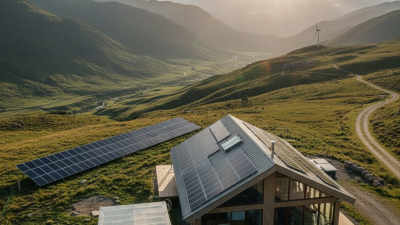
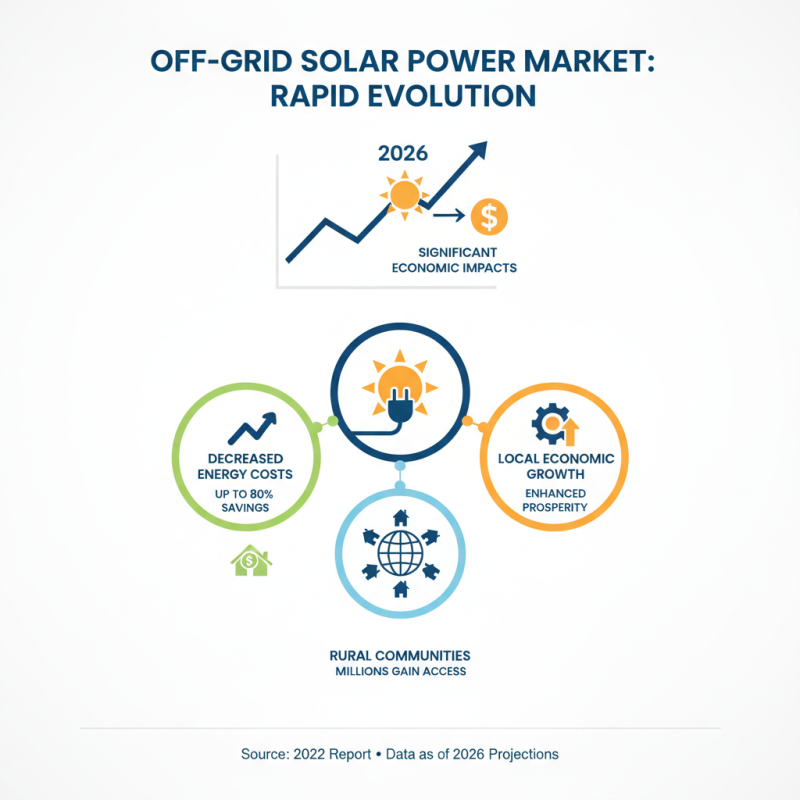
The future of energy is moving towards sustainability. The Off Grid Solar Power System is at the forefront of this movement. Recent industry reports show a significant rise in interest. The global market for off-grid solar energy is projected to reach USD 2.8 billion by 2026. This growth reflects a shift in consumer attitudes and technological advancements.
Innovations in off-grid systems are transforming energy access. Solar panels are becoming more efficient and affordable. In remote areas, these systems provide electricity where traditional grids cannot reach. Yet, challenges remain. Installation costs and maintenance can be barriers for many users. Additionally, not all regions receive equal sunlight, impacting energy production.
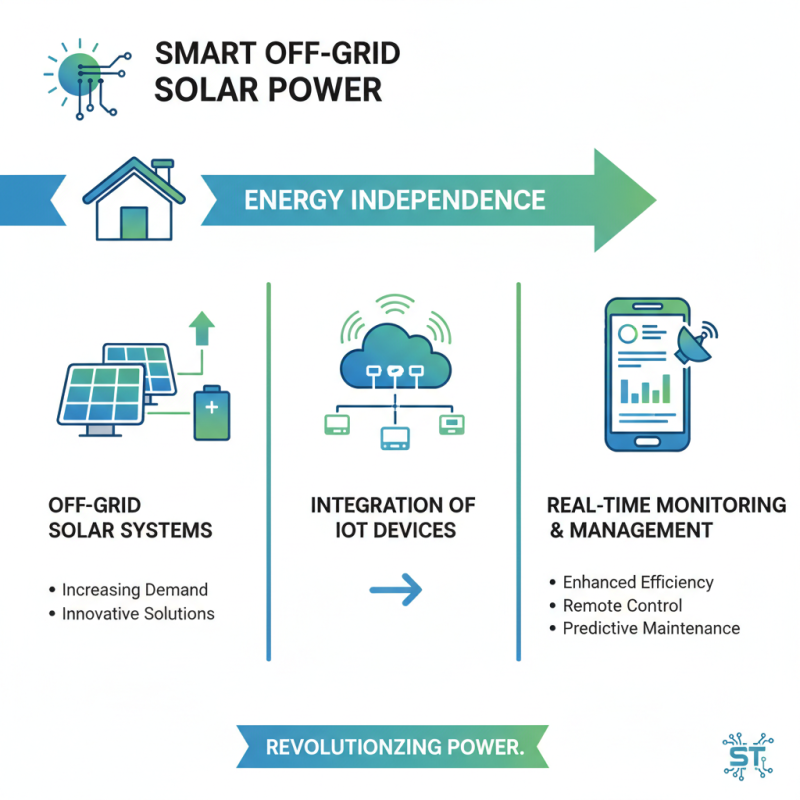
Despite these issues, the potential for off-grid solar power is immense. Innovations in battery storage and smart technology are enhancing system reliability. For many, these systems offer energy independence and resilience. However, there is still room for improvement. Ongoing research is crucial to address existing limitations and ensure broader adoption. The future of off-grid solar power systems holds promise, but collaboration and investment are essential for success.

Key Advancements in Off Grid Solar Technology for 2026
The off-grid solar power system is evolving rapidly. In 2026, new advancements are expected to revolutionize this sector. According to a report by the International Renewable Energy Agency (IRENA), off-grid solar solutions could power 70 million homes by 2026. This is a substantial increase from previous years.
Innovations in solar panel efficiency are at the forefront. Recent studies show that new materials can enhance energy conversion rates by up to 25%. This means homes will need fewer panels to achieve the same energy output. Battery storage technology is also improving. Solid-state batteries are emerging, offering longer life spans and faster charging. However, these technologies can still be costly and may not be accessible to everyone.
Furthermore, smart energy management systems are becoming essential. These systems help homeowners monitor and optimize their energy use. Despite these advancements, challenges remain. Many users find it hard to integrate complex systems. Accessibility is another issue. Not all communities can afford the latest technologies. The growth of off-grid solar will depend on overcoming these barriers.
Emerging Trends in Energy Storage Solutions for Solar Power Systems
In 2026, solar power systems continue to evolve, particularly in energy storage. The demand for efficient storage solutions rises as more consumers opt for off-grid systems. According to recent industry reports, the energy storage market for solar will grow by 20% annually. Battery technology is moving towards lithium-sulfur batteries, offering higher energy density and faster charging times.
Tips: Consider combining solar systems with energy storage. It ensures energy availability during cloudy days. Research battery capacities before purchase to meet your needs.
Furthermore, innovations in grid integration are crucial. Smart inverters and management systems are increasingly popular. They help in synchronizing energy production and consumption. Despite advancements, costs can still pose a barrier for many. Many installations are delayed due to budget constraints, leaving gaps in energy security.
Tips: Monitor local incentives for solar installations. They can significantly reduce initial costs. Explore community solar programs as cost-effective solutions for energy access.
As renewable energy continues maturing, overcoming storage challenges becomes vital. Developing sustainable and reliable energy storage solutions will define the future of off-grid living.
Innovations in Solar Panel Efficiency and Design for Off Grid Systems
The future of off-grid solar power systems is bright, especially with innovations in solar panel efficiency and design. The emergence of bifacial solar panels has gained attention. These panels can capture sunlight from both sides. This could lead to a significant boost in overall energy production.
Innovative designs are also transforming the aesthetics of solar panels. Sleek, integrated solutions blend seamlessly with rooftops and facades. This integration eliminates the bulky appearance of traditional panels. However, these new designs sometimes suffer from reduced output in low-light conditions. That could be a drawback for users.
Moreover, lightweight materials are emerging for solar panel production. They promise easier installation and transport. Yet, the trade-off may come in terms of durability. Finding the right balance between weight and strength is crucial. There is still much to explore in this evolving field. Insights from users will help shape practical innovations.
2026 Top Trends in Off Grid Solar Power System Innovations
| Trend |
Description |
Impact |
Year of Adoption |
| Bifacial Solar Panels |
Panels that harness sunlight from both sides to increase efficiency. |
Higher energy output and improved ROI. |
2026 |
| Flexible Solar Panels |
Lightweight panels that can be installed on curved surfaces. |
Increased application versatility. |
2026 |
| Smart Solar Inverters |
Inverters that optimize performance through real-time monitoring. |
Enhanced efficiency and grid management. |
2025 |
| Solar Tracking Systems |
Systems that adjust the panel angles to follow the sun. |
Up to 30% more energy generation. |
2026 |
| Integration with Battery Storage |
Innovative systems combining solar with advanced storage solutions. |
Improved energy independence and reliability. |
2026 |