MH Energy Your Better Solar and Energy Partner

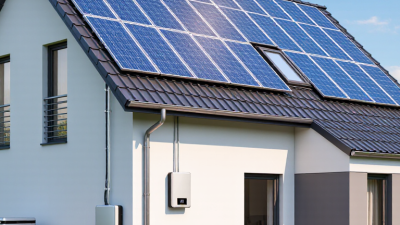
Choosing a Solar Panel System Home can turn an unused rooftop into a quiet, productive energy asset. Sunlight reaches the panels, inverters convert that energy, and your household uses the electricity almost instantly. On a clear morning, this may power a refrigerator, laptop, and washing machine before breakfast.
IEA Executive Director Fatih Birol has stated, “Solar is now the cheapest source of electricity in history.” His observation reflects major cost reductions and strong global deployment. However, a lower price does not guarantee a perfect installation. Roof direction, shade from nearby trees, local weather, and household consumption still matter. A qualified installer should inspect these details, explain expected production, and provide transparent warranty terms. Ask for evidence, not promises.
It is not magic.
A responsible decision also considers battery storage, panel degradation, maintenance access, and future electricity rates. In my experience, homeowners often focus on panel wattage while overlooking roof age and inverter replacement costs. That mistake can weaken long-term value. A reliable system should include realistic performance estimates, monitoring software, documented safety practices, and compliance with local requirements. Some homes will benefit greatly; others may need efficiency upgrades first. That is worth admitting. The best Solar Panel System Home is not simply the largest one available. It is the system designed around the building, the family’s habits, and the limits of the site. Careful planning can reduce bills, improve energy independence, and support cleaner electricity without pretending that every roof has the same potential.
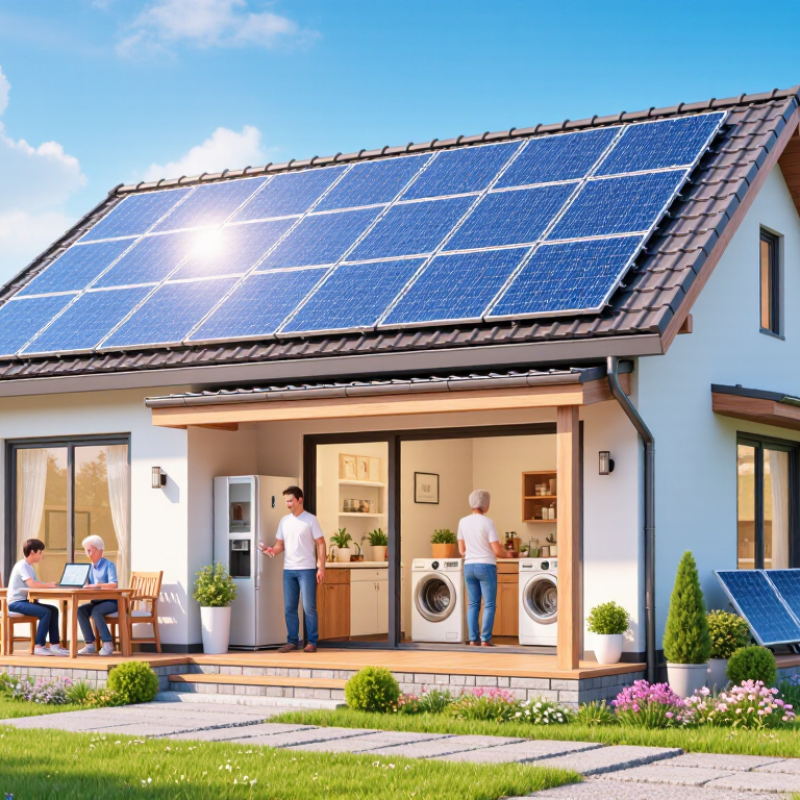
A home solar panel system converts sunlight into usable household electricity. Photovoltaic cells inside each panel create direct current when sunlight reaches them. The panels send this current to an inverter. The inverter changes it into alternating current for lights, appliances, and outlets. A meter measures electricity moving between your home and the utility grid. When panels produce more power than your home needs, excess electricity may flow outward. Local regulations decide how that exported power is measured or credited. At night, your home can use stored battery energy or electricity from the grid. The arrangement sounds simple. It is not always simple.
A qualified installer should inspect roof direction, pitch, shading, wiring routes, and structural condition. A chimney shadow can reduce output more than expected during certain hours. System monitoring can show daily production, unusual drops, and inverter warnings. These figures are useful, but estimates are never guarantees. Cloud cover, dust, high temperatures, and conversion losses affect performance. A battery can provide backup power, yet it adds weight, cost, maintenance, and safety requirements. Electrical protection devices must be correctly selected and installed. Homeowners should also review permits, connection rules, equipment warranties, and emergency shutdown procedures. I would not promise complete energy independence without studying the household’s consumption patterns. Real homes are less tidy than spreadsheets suggest. Seasonal heating, growing families, and future appliances can change the calculation.
Generating solar power at home can turn an unused roof into a practical energy resource. Sunlight reaches the panels, and the system converts it into electricity for daily needs. This can reduce reliance on grid power and may lower monthly energy costs over time. The financial result depends on sunlight, roof direction, electricity rates, maintenance, and local rules. Savings are not automatic.
Solar power also offers more control during changing energy prices. A home battery may store excess electricity for evening use, but it adds cost and technical decisions. Panels can operate quietly for many years when installed correctly.
A qualified installer should inspect the roof, check structural strength, review shading, and explain expected output using local weather data. Ask for clear production estimates, equipment warranties, and maintenance responsibilities. Do not rely on optimistic promises alone.
Tips: Track your electricity use for twelve months before choosing a system. Walk around the roof at different times and notice shadows from trees or nearby buildings. Compare several written estimates. Check whether roof repairs should happen first. Think about future changes, too, such as an electric vehicle or home renovation. Solar is valuable, but it is not perfect for every household. I would also question any plan that ignores cloudy seasons, because real-world output can differ from a neat estimate.
The largest expense is usually the solar system itself. It includes panels, an inverter, mounting equipment, wiring, labor, and inspection fees. Installation may also require roof repairs or an electrical panel upgrade. Ask for an itemized quote, not a single attractive number. Small omissions can change the final price.
Battery storage adds another major cost. It can provide evening power, but its financial value depends on local electricity rates and backup needs. Financing may reduce the upfront burden, yet interest increases the total payment. Cash purchases can cost less overall, although they require substantial savings. The math is useful, but not perfectly clean.
Potential tax credits, rebates, and utility payments can improve the investment. These programs vary by location and may change over time, so verify them with official government or utility sources. A qualified installer should estimate annual production using roof direction, shading, weather, and system losses. Do not rely on optimistic estimates alone. Compare that forecast with twelve months of electricity bills.
Maintenance is generally limited, but inverter replacement and battery degradation deserve attention. Home insurance and property taxes may also be affected. I once treated payback time as a simple division problem; real households are less predictable. Electricity prices, roof condition, and future energy use can shift the result. A careful review leaves room for those uncertainties.
Why Choose a Solar Panel System for Your Home?
Factors That Affect System Performance
A solar panel system can reduce household electricity costs, but its output depends on more than panel size. Roof direction, tilt, and nearby trees strongly influence daily production. A south-facing roof often receives steady sunlight in the northern hemisphere. However, local conditions can change that result. Shade matters.
Temperature also affects performance. Panels usually produce less electricity during very hot afternoons, even under bright sunlight. Dust, pollen, snow, and bird deposits can block part of the surface. In dry areas, a thin layer of dust may become visible within weeks. Regular visual checks help, although excessive cleaning can damage equipment or waste water.
The inverter, wiring, and mounting structure also deserve careful attention. An experienced installer should inspect the roof, measure shade throughout the year, and review household energy use. A basic estimate can look impressive, but it may ignore winter darkness or future electricity demand. That is a common weakness. Monitoring software can reveal sudden drops, unusual voltage changes, or one underperforming section. These records support safer maintenance and more reliable decisions.
Panel degradation is another long-term factor. Output gradually declines with age, while extreme weather can accelerate wear. Strong wind, hail, and heavy snow require suitable mounting and local design calculations. Homeowners should request written performance assumptions, maintenance details, and clear warranty terms. Electricity rates, local connection rules, and battery use can also change the financial result. A system that performs well on paper may still disappoint if its roof, climate, or daily energy habits are misunderstood.
Typical performance impact estimates show how shading, high temperatures, dirt, snow cover, and module mismatch can reduce a residential solar system’s energy output. Actual results vary by location, system design, maintenance, and weather conditions.
Why Choose a Solar Panel System for Your Home?
Installation begins with the roof, not the sales brochure. A qualified installer should check roof age, structural strength, shade, wiring, and local permit requirements. Nearby trees can reduce production more than many homeowners expect. Measure twice. Safety comes first. The system should also include accessible shutoff equipment, clear documentation, and realistic production estimates. Ask how the installer handles unexpected roof repairs. This detail is often overlooked.
Maintenance is usually simple, but it is not optional. Inspect panels for cracks, loose mounts, heavy dirt, and unusual shading at least twice a year. After storms, look from the ground before climbing anywhere. Never open electrical equipment without proper training. A monitoring app can reveal falling output, although an alert does not always identify the cause. Dusty conditions may require professional cleaning, while frequent cleaning can waste water and create surface damage. Small details matter.
Long-term use requires practical planning. Solar panels gradually lose output, and inverters may need replacement earlier than the panels. Keep installation drawings, equipment records, inspection notes, and warranty terms in one safe place. Review electricity use each year, especially after adding an electric vehicle or heat pump. Battery storage can improve evening use, but its cost and replacement schedule deserve careful comparison. I would not promise complete energy independence; weather, household demand, and equipment aging remain unpredictable. A well-maintained system can still provide dependable savings when expectations stay realistic.
| Category | Key Point | Typical Residential Information | Long-Term Benefit | Practical Consideration |
|---|---|---|---|---|
| System Sizing | Match the system to household electricity use | A common home installation may range from approximately 3 kW to 10 kW, depending on energy consumption, roof space, local sunlight, and the applicable electrical rules. | Proper sizing can improve self-consumption and reduce unnecessary equipment costs. | Review at least 12 months of electricity bills before requesting a system design. |
| Installation | Roof condition and orientation | Installers should assess roof structure, shading, tilt, orientation, waterproofing, and available installation area before work begins. | A suitable roof can support reliable energy production for many years. | Roof repairs or replacement are usually easier and less costly to complete before panel installation. |
| Installation | Professional electrical work | Installation generally includes mounting panels, connecting an inverter, installing safety equipment, and completing grid or inspection requirements where applicable. | Correct wiring and protection reduce safety risks and help the system operate as designed. | Use qualified, licensed professionals and follow local permitting and electrical requirements. |
| Energy Production | Solar resource and shading | Output varies with sunlight, season, weather, panel angle, temperature, shading, and system losses. Production is normally higher in sunnier months. | Understanding seasonal variation helps households set realistic savings expectations. | Trees, chimneys, neighboring buildings, dust, and snow can reduce production. |
| Maintenance | Routine visual inspections | Check for visible damage, loose components, corrosion, cable issues, unusual inverter messages, and changes in system performance. | Early detection can prevent minor issues from becoming more expensive repairs. | Do not climb onto the roof or touch electrical components unless properly trained and equipped. |
| Maintenance | Panel cleaning | Rain may remove some dust, but cleaning can be useful in areas with heavy dust, pollen, bird droppings, or infrequent rainfall. | Keeping panels reasonably clear helps preserve available sunlight exposure. | Follow the installer’s guidance; avoid abrasive tools and harsh chemicals that may damage surfaces. |
| Maintenance | Performance monitoring | Monitoring software or inverter data can show energy production, system alerts, and unusual declines in output. | Performance trends make it easier to identify shading, equipment faults, or connection problems. | Compare production over similar months rather than expecting identical output every day. |
| Inverter | Conversion of electricity | The inverter converts the panels’ direct-current electricity into alternating-current electricity used by household appliances and the electrical grid. | A properly functioning inverter is essential for usable household power. | Inverters may require attention or replacement sooner than the solar panels, so include future servicing in the budget. |
| Operating Life | Long service period | Solar panels are commonly designed to operate for roughly 25 years or more, although output gradually decreases over time. | A long operating period can spread the initial investment across many years of electricity generation. | Actual performance depends on climate, installation quality, maintenance, and component durability. |
| Financial Planning | Upfront cost versus future savings | Costs include panels, inverter, mounting, labor, permits, electrical work, and possible roof upgrades. Savings depend on electricity rates, energy use, system output, and local compensation rules. | Generating electricity on-site may reduce purchases from the grid over the system’s operating life. | Calculate total ownership costs and avoid assuming a fixed payback period without local data. |
| Grid Connection | Exporting unused electricity | When production exceeds household demand, excess electricity may be sent to the grid if local regulations and utility arrangements allow it. | Approved export arrangements can provide additional value from unused generation. | Export credits, limits, application procedures, and billing treatment vary by location. |
| Battery Storage | Store electricity for later use | A battery can store surplus solar electricity for use during evening hours or periods of low production. | Storage may increase self-consumption and provide backup power when designed for that purpose. | Batteries add cost, space requirements, safety considerations, and additional equipment that needs its own service plan. |
| Environmental Impact | Lower operational emissions | Solar electricity produces no direct air pollution during operation and can reduce reliance on electricity generated from fossil fuels. | Using renewable electricity can help lower the household’s operational carbon footprint. | The overall environmental benefit varies with the local electricity mix, system lifespan, and end-of-life recycling practices. |
| Safety | Fire and electrical protection | Systems should include appropriate disconnects, overcurrent protection, grounding, cable management, and clear emergency labeling. | Proper safety design protects occupants, technicians, and emergency responders. | Keep system documentation accessible and notify relevant professionals about the solar installation during electrical work. |
| Long-Term Use | Track changes in household demand | Electric vehicles, heat pumps, home extensions, and additional appliances can significantly change electricity consumption. | Periodic review helps the system remain aligned with household energy needs. | Consider future electricity demand before finalizing system size, inverter capacity, or battery storage. |