MH Energy Your Better Solar and Energy Partner

A Solar Panel System Home converts sunlight into usable electricity for everyday household needs. It usually includes photovoltaic panels, an inverter, mounting hardware, wiring, and monitoring equipment. Some homes also add a battery for nighttime use or backup power. At midday, panels may produce electricity for appliances, lighting, and home office equipment. The inverter then changes solar energy into the alternating current used by most household circuits.
Without a battery, extra electricity may flow to the utility grid, depending on local rules and the approved connection agreement. This distinction matters. A reliable explanation should consider more than panel wattage. Roof direction, seasonal shade, snow, ventilation, and household consumption all affect performance. Experienced installers inspect the roof, electrical service, and available installation space before recommending equipment. Professional guidance helps.
Still, solar is not a perfect answer for every home. A shaded roof may reduce output sharply. An aging roof may need repairs first. Battery storage can improve flexibility, but it also increases cost and maintenance considerations. These details are easy to overlook. The most honest assessment compares estimated production with actual electricity bills, not optimistic promises. Homeowners should request clear warranties, equipment specifications, projected savings, and installation credentials. Ask for assumptions. Review them carefully.
This article explains how a residential solar system works, what its main components do, and which practical questions deserve attention. It also recognizes an important limitation: forecasts are estimates, and real performance changes with weather, usage, and maintenance. Careful planning creates better expectations and a safer, more informed investment.
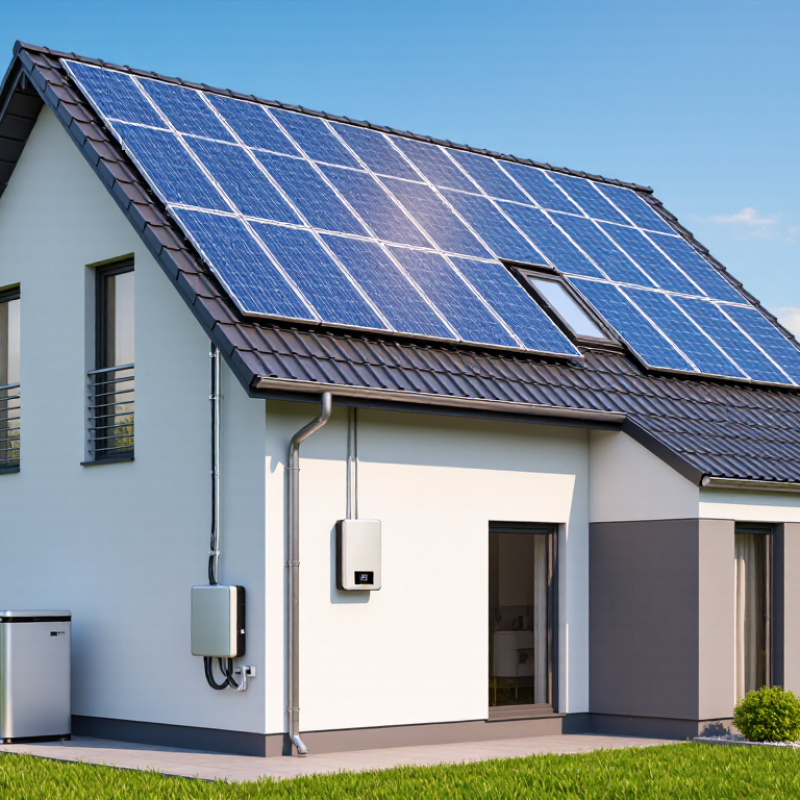
A home solar panel system converts sunlight into electricity for daily household use. Solar panels sit on a roof or ground frame and produce direct current. An inverter changes it into alternating current for lights, appliances, and heating equipment. The system may connect to the utility grid, a battery, or both. During a site inspection, roof direction, shade, age, and structural strength matter as much as panel quantity.
A properly sized system begins with actual electricity bills, not guesswork. A household using more power in the evening may benefit from battery storage. Without a battery, unused daytime electricity might flow to the grid, depending on local rules. A qualified installer should check wiring, grounding, fire access, and local permits. These details are easy to overlook.
Solar output changes with clouds, dust, snow, and seasonal sunlight. I have found that a small patch of afternoon shade can affect production more than expected. Monitoring software can reveal unusual drops, but its readings are not always perfect. Panels usually need limited maintenance, although nearby trees may require trimming. The first design estimate can be wrong. Homeowners should compare predicted output with real monthly performance and revise their expectations carefully.
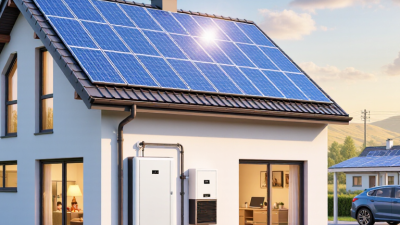
A residential solar panel system turns sunlight into electricity for household use. Solar cells on the roof produce direct current when light reaches them. An inverter then changes this electricity into alternating current for ordinary appliances. Lights, refrigerators, and computers can use it inside the home. Extra power may charge a battery or move to the utility grid, depending on local rules and system settings.
Real homes are messier than diagrams suggest. Roof direction, shade, dust, wiring distance, and seasonal sunlight all affect production. A professional installer checks these details before mounting the panels. They also assess roof strength, electrical capacity, weather exposure, and access for maintenance. Monitoring software can show daily output, but the numbers still need sensible interpretation. One cloudy afternoon does not prove a system is failing.
At night, panels stop producing electricity. The home can draw stored energy from a battery, use grid electricity, or combine both sources. During a power outage, many systems shut down unless they include approved backup equipment. This safety feature protects workers repairing power lines. Battery storage can improve resilience, but it adds cost, weight, and maintenance considerations. The best design is not always the largest one. A smaller system may fit a shaded roof better, while a household with high daytime demand could use more of its own solar power directly.
What Is a Solar Panel System for Home Use?
Main Components of a Home Solar Power System
A home solar system converts sunlight into usable electricity through several connected parts. Photovoltaic modules generate direct current on a roof or ground rack. An inverter changes that current into alternating current for household circuits. The IEA Photovoltaic Power Systems Programme reported over 1.6 terawatts of global photovoltaic capacity by the end of 2023. That scale matters. It does not guarantee suitability for every home.
The mounting structure is easy to overlook. It must suit roof materials, wind exposure, drainage paths, and local electrical requirements. A production meter and monitoring gateway display daily output. Disconnects support safer maintenance and emergency servicing. Battery storage adds cells, a battery-management system, thermal controls, and another inverter or hybrid inverter. It can shift solar energy into evening hours, but it also adds weight, cost, and inspection points.
Performance depends on the complete system. NREL’s Photovoltaic Degradation Rates—An Analytical Review found median degradation near 0.5% annually. Actual results vary with heat, humidity, pollution, and installation quality. Shading from one chimney can reduce a roof section’s contribution more than expected. A visually attractive layout may still fail basic service planning. Walkway access is often ignored. Ask for module-level design, inverter efficiency data, battery usable capacity, protection devices, and maintenance access. A larger array is not always better.
What Is a Solar Panel System for Home Use?
Types of Solar Panel Systems for Homes
A home solar system converts sunlight into electricity for household appliances. Its design depends on grid access, energy habits, and backup expectations. The main choices are grid-tied, off-grid, and hybrid systems.
Grid-tied systems connect rooftop panels to the public electricity network. They usually cost less because they need no large battery bank. During sunny hours, excess electricity can flow into the grid, depending on local rules. The International Energy Agency Photovoltaic Power Systems Programme reported more than 1.6 terawatts of global photovoltaic capacity by the end of 2023. That growth reflects strong demand for practical, connected systems.
Off-grid systems operate independently. They need batteries, charge controls, and often a backup generator. A rural home might use this setup with six rooftop panels, a battery cabinet, and careful appliance scheduling. Hybrid systems combine grid access with batteries. They can keep refrigeration, lighting, and internet equipment running during outages. The International Renewable Energy Agency recorded about 1,419 gigawatts of global solar capacity at the end of 2023, showing how quickly the technology is expanding.
However, system choice is not purely technical. Battery replacement costs, winter shading, and local inspection requirements can change the calculation. A hybrid design may feel safer, yet its added equipment increases installation complexity. My own judgment would remain cautious: oversized batteries are tempting, but unused capacity is still expensive. Even experienced installers can underestimate evening consumption when households add heat pumps or electric vehicles.
A home solar panel system converts sunlight into electricity for household use. Panels generate direct current, while an inverter converts it into usable alternating current. Some systems include batteries for evening consumption or outages. The right design depends on more than roof space. It must match your electricity demand, local sunlight, and household habits.
Before installation, review twelve months of utility bills. The U.S. Energy Information Administration reported average residential electricity use of about 889 kilowatt-hours per month in 2023. Your home may differ sharply. Air-conditioning, electric heating, and future electric vehicles can change the calculation. Use a site assessment or a tool such as NREL’s PVWatts model to examine roof direction, shading, and seasonal production. A tree that shades the roof at 4 p.m. matters. So does snow.
Roof condition deserves attention. Installing panels on an aging roof can create avoidable repair costs. Ask about structural loading, equipment warranties, maintenance access, and installer qualifications. Battery storage also requires careful sizing. Oversizing it may increase cost without improving daily savings. According to the International Energy Agency’s Renewables 2024 report, solar photovoltaic additions reached nearly 420 gigawatts globally in 2023, showing rapid industry growth. Yet fast growth does not guarantee a suitable project for every home. A perfect estimate is impossible. Compare several production forecasts, check local permitting requirements, and question assumptions that look unusually optimistic.
| System Dimension | Typical Residential Range | What It Means | Key Factors to Consider |
|---|---|---|---|
| System Capacity | 3–10 kW | The maximum electrical power the solar array can produce under standard test conditions. | Size the system according to electricity use, available roof space, local sunlight, and the amount of electricity you want to offset. |
| Annual Energy Production | Approximately 3,500–14,000 kWh per year | The electricity generated by a residential system over a year; actual output varies by location and system design. | Roof orientation, shading, tilt, weather, seasonal sunlight, equipment losses, and local solar irradiance all affect production. |
| Solar Panel Efficiency | About 19%–23% | The percentage of sunlight converted into usable direct-current electricity by a panel. | Higher efficiency can provide more power in limited roof space, but panel efficiency should be evaluated alongside cost, warranty, and long-term performance. |
| Number of Panels | 8–25 panels | The number of panels required depends on the target system size and the output rating of each panel. | A typical modern residential panel may provide roughly 350–450 watts; roof dimensions and usable roof sections determine the final layout. |
| Roof Area Required | Approximately 15–45 m² | The approximate roof surface needed for a residential array, excluding some additional clearance and access requirements. | Check roof age, structural strength, fire setbacks, obstructions, maintenance access, and whether shaded areas must be avoided. |
| Inverter Capacity | 3–10 kW AC | The inverter converts the panels’ direct-current output into alternating-current electricity used by household appliances. | The inverter should be compatible with the array, utility requirements, monitoring needs, battery plans, and expected peak household demand. |
| Battery Storage | 5–20 kWh usable capacity | A battery stores excess solar electricity for use at night, during outages, or when solar production is low. | Compare usable capacity, power rating, cycle life, temperature limits, backup-load requirements, safety features, and installation location. |
| Grid Connection | Grid-tied, hybrid, or off-grid | A grid-tied system remains connected to the utility network; a hybrid system adds batteries, while an off-grid system operates independently. | Grid-tied systems generally need approved interconnection and anti-islanding protection. Batteries or backup generators may be needed for off-grid reliability. |
| Self-Consumption | Often 20%–50% without storage | The share of solar electricity used directly in the home instead of being exported to the grid. | Running appliances during daylight, using smart controls, and adding a battery can increase the amount of solar power used on-site. |
| Expected Service Life | Panels: 25–30 years; inverters: 10–15 years | Solar panels typically continue operating for decades, while inverters may require replacement earlier. | Review product and workmanship coverage, degradation rate, maintenance responsibilities, replacement costs, and installer support. |
| Installation Timeline | Several weeks to several months | Physical installation may take one or a few days, but the complete process includes design, permits, inspections, and utility approval. | Local permitting rules, utility procedures, roof repairs, equipment availability, and seasonal demand can affect the schedule. |
| Maintenance Requirements | Low; periodic inspection recommended | Solar systems have no moving parts in the panels and usually require limited routine maintenance. | Keep panels clear of excessive dirt, leaves, and snow where relevant; inspect wiring, mounting hardware, monitoring alerts, and nearby vegetation. |
| Financial Payback Period | Approximately 6–15 years | The time required for energy-bill savings and eligible incentives to recover the initial system cost. | Payback depends on installed cost, electricity prices, financing, incentives, export compensation, system output, and future energy use. |