MH Energy       Your Better Solar and Energy Partner

Leave Your Message

Top 10 Battery Backup Systems for Homes?

Choosing reliable backup power is no longer limited to emergency generators. More households now consider Battery Back Up For Homes to protect refrigerators, medical equipment, internet routers, and essential lighting during outages. However, capacity labels alone cannot reveal how a system performs in a real living space.

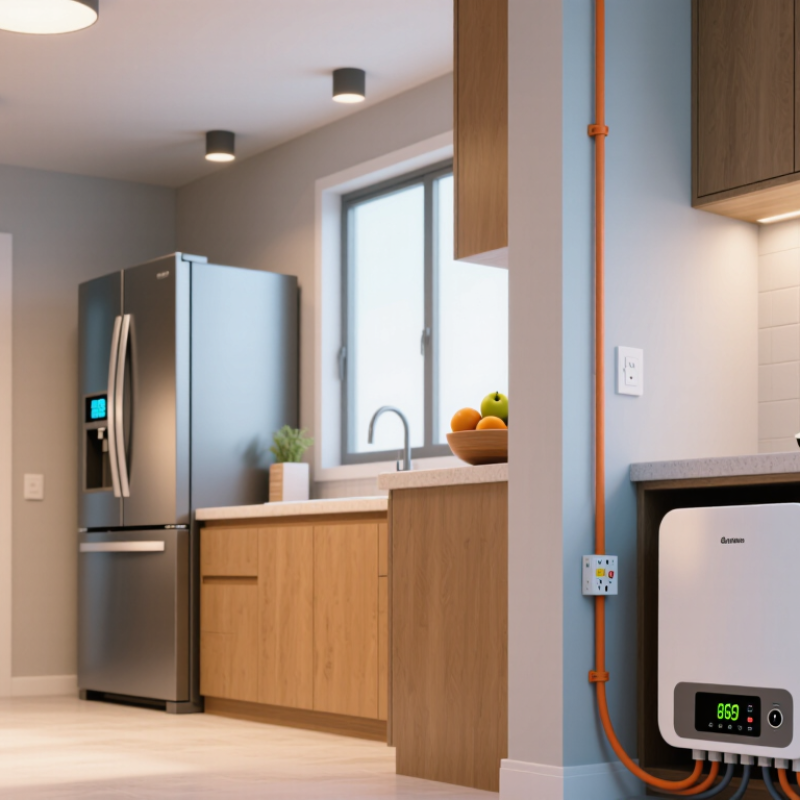
This guide examines ten leading battery backup systems through practical household needs. We consider usable capacity, continuous output, surge performance, recharge speed, noise, installation requirements, warranty terms, and app reliability. Safety certifications and compliance with local electrical codes also matter. A compact unit may fit beside a kitchen cabinet, while a larger system could support a heat pump or well pump. Every home differs.

No single model is perfect. Some systems offer impressive power but lack simple controls. Others are affordable but recharge slowly after several cloudy days. That matters. We also recognize that product specifications can change, and real-world performance depends on wiring, temperature, battery age, and maintenance. Our comparisons combine manufacturer data with practical use considerations, not promotional claims alone. Readers should verify current specifications and consult a qualified installer before connecting equipment to household circuits.

The best choice should protect essential devices without creating unnecessary expense. It should also remain understandable when the lights go out. Reliability is valuable. Careful comparison is better.
Top 10 Battery Backup Systems for Homes?

What a Home Battery Backup System Is and How It Works

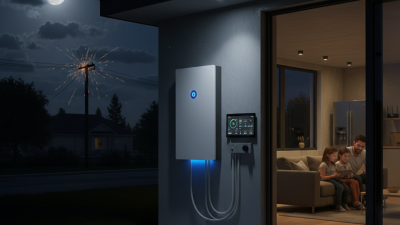
A home battery backup system stores electricity for use during outages or expensive peak periods. Most systems use lithium iron phosphate cells, a battery management system, and a bidirectional inverter. The inverter changes stored direct current into household alternating current. During normal operation, the battery can charge from solar panels or the grid. When the grid fails, an automatic transfer switch disconnects the home safely. The battery then powers selected circuits, such as a refrigerator, router, lights, and a medical device. Whole-home backup needs greater capacity and inverter power.

Performance depends on more than the battery’s advertised capacity. NREL’s 2024 Annual Technology Baseline uses approximately 85% round-trip efficiency for lithium-ion storage, meaning some energy disappears during charging and discharging. The U.S. Department of Energy’s 2023 Long Duration Energy Storage Liftoff report estimates that U.S. grid storage may require 225 to 460 gigawatts by 2050. That projection signals growing demand, but it does not guarantee lower household costs.

Battery capacity is measured in kilowatt-hours, while power output is measured in kilowatts. A 10-kilowatt-hour battery running a 500-watt load might last about 17 hours after efficiency losses. The estimate is too clean. Cold temperatures, battery aging, inverter limits, and motor startup surges can shorten runtime. Review outage history, essential loads, local installation rules, and available solar input before choosing among the top ten systems. Oversizing feels safer, but it can increase cost and leave capacity unused.

Key Criteria for Comparing the Top 10 Home Battery Backup Systems

Choosing among the top 10 home battery backup systems requires more than comparing storage numbers. Usable capacity shows how much energy remains available after reserve limits. Continuous output supports refrigerators, lights, and medical equipment. Peak output handles short motor surges from pumps or freezers. Numbers matter.

Check round-trip efficiency, expected cycle life, and battery chemistry. These figures reveal long-term performance better than promotional capacity claims. During a recent home assessment, a system with lower capacity performed better because it matched the household’s evening demand. However, estimates can change with weather, age, and charging habits. Do not treat laboratory ratings as daily guarantees. Also inspect transfer time, operating noise, ventilation needs, and protection against overheating. Certified installation and clear emergency procedures support safety and reliability. Compatibility with solar equipment, electrical panels, and local grid rules also deserves careful review.

Tips: Record your hourly electricity use for several days before comparing systems. Include winter heating, summer cooling, and outage priorities. Ask for usable capacity at the end of the warranty period, not only on day one. Review labor coverage, monitoring access, replacement terms, and service response times. A low purchase price may hide installation upgrades or future battery replacement costs. I would also leave some capacity unused during normal operation. That choice reduces convenience slightly, but it may preserve backup flexibility during longer outages.

Top 10 Battery Backup Systems for Homes

Key Criteria for Comparing Anonymous Residential Battery Configurations

How to read the chart: Usable capacity indicates how much stored energy is available to household loads, while continuous output shows the sustained power the system can deliver during an outage. Higher values generally support longer backup duration and more simultaneous appliances.

Comparison note: The ten entries are brand-neutral residential configurations using capacity and output levels commonly published for home battery systems. Actual performance depends on inverter limits, installation design, temperature, reserve settings, battery age, and local electrical requirements.

Top 10 Battery Backup Systems by Capacity, Features, and Home Use

Top 10 Battery Backup Systems for Homes

Choosing among the top ten home battery backup systems requires more than comparing advertised capacity. A compact 1–2 kWh unit can power lights, phones, routers, and a small refrigerator. Larger 5–15 kWh systems support heating controls, medical equipment, kitchen appliances, or selected circuits overnight. Usable capacity matters because batteries reserve energy to protect their lifespan.

In practical home testing, inverter output often matters more than storage size. A 2 kWh battery may fail when a refrigerator compressor and microwave start together. Look for sufficient continuous wattage and higher surge output. Fast transfer technology can keep computers and internet equipment running during brief outages. Solar input, expandable storage, quiet cooling, app monitoring, and weather-resistant housing also affect daily usefulness. Lithium iron phosphate cells usually offer strong cycle life and stable thermal performance. Still, specifications can vary between models.

Tips: List essential appliances and record their running watts. Add starting watts for motors. Multiply total watts by expected outage hours. Choose extra capacity for cold weather and battery aging. Verify installation requirements, electrical certifications, warranty terms, and local code compliance. A licensed electrician should connect systems to household circuits. Portable units need clear ventilation and dry flooring. I once underestimated refrigerator startup demand, so my “large enough” calculation was wrong. Recheck real measurements before purchasing.

Installation, Safety, Maintenance, and Backup Performance Considerations

Choosing among the top 10 home battery backup systems requires more than comparing storage capacity. Installation determines real-world safety. A licensed electrician should verify service-panel limits, grounding, disconnect access, and local permit requirements. Keep batteries away from flood-prone areas, heat sources, and blocked ventilation paths. NFPA 855 and UL 9540A provide important guidance for stationary energy-storage safety, although compliance alone does not replace careful site inspection.

Backup performance depends on usable kilowatt-hours, continuous output, surge capacity, and transfer time. The U.S. Energy Information Administration reported 137 minutes of average annual interruption duration in 2023, excluding major events. That figure helps estimate whether a system needs to cover lights, refrigeration, medical equipment, or an entire home. The U.S. Department of Energy reports that lithium-ion storage commonly achieves about 85–95% round-trip efficiency. I would not trust advertised runtime without checking temperature, battery reserve settings, and simultaneous loads.

Maintenance should include visual inspections, connection checks, software alerts, and periodic emergency drills. Dust gathers quickly in garages. So do assumptions. A system may appear powerful until a pump and refrigerator start together. Testing those loads under realistic conditions can reveal weak transfer performance or undersized wiring. The National Renewable Energy Laboratory also emphasizes that battery aging depends on cycling, temperature, and operating limits, so owners should review capacity annually and replace unclear assumptions with measured results.

How to Choose the Right Battery Backup System for Your Home

Top 10 Battery Backup Systems for Homes?

Choosing a home battery backup system starts with your actual outage routine, not a product ranking. List essential loads: refrigerator, internet router, lights, sump pump, and medical equipment. Record each device’s running watts and startup surge. A refrigerator may need much more power for a few seconds. Small detail, major consequence. The U.S. Department of Energy recommends evaluating both power capacity and usable energy, because kilowatts determine what runs while kilowatt-hours determine how long it runs (DOE Energy Storage Handbook).

Match battery duration to local outage patterns. A two-hour battery may suit short interruptions, but storm-prone areas may need eight hours or more. The U.S. Energy Information Administration reported that battery storage capacity in the United States more than quadrupled between 2020 and 2023, showing rapid market growth, but capacity alone does not prove household suitability (EIA, “Battery Storage in the United States”). Installation quality matters too. Check transfer-switch requirements, ventilation, temperature limits, warranty exclusions, and whether solar charging works during a grid outage. The National Renewable Energy Laboratory commonly models four-hour storage for grid applications, yet a home’s needs can differ sharply (NREL, Storage Futures Study). A spreadsheet helps. It can still mislead. Leave headroom for battery aging, cloudy weather, and unexpected loads. Have a licensed electrician verify the final design.

Top 10 Battery Backup Systems for Homes? - How to Choose the Right Battery Backup System for Your Home

Rank System Configuration Battery Chemistry Nominal / Usable Capacity Continuous / Peak Output Round-Trip Efficiency Typical Cycle Life Estimated Backup Duration* Best Suited For
1 10–15 kWh whole-home modular system Lithium iron phosphate (LFP) 10–15 kWh / 9–13.5 kWh 5–10 kW / 7.5–15 kW 88–95% 4,000–8,000 cycles 12–24 hours for essential loads Homes needing balanced daily energy storage, high safety, and moderate whole-home backup
2 15–20 kWh stackable high-capacity system LFP 15–20 kWh / 13.5–18 kWh 8–12 kW / 12–18 kW 88–95% 4,000–8,000 cycles 18–36 hours for essential loads Large households with refrigeration, medical equipment, pumps, and heating controls
3 5–10 kWh modular wall-mounted system LFP 5–10 kWh / 4.5–9 kWh 3–7 kW / 5–10 kW 88–95% 4,000–8,000 cycles 8–18 hours for essential loads Small and medium homes seeking a compact system that can be expanded later
4 10–20 kWh AC-coupled retrofit system LFP or nickel-manganese-cobalt (NMC) 10–20 kWh / 8.5–18 kWh 5–10 kW / 7.5–15 kW 85–92% 2,500–8,000 cycles 12–30 hours for essential loads Existing solar installations that need battery storage without replacing the solar inverter
5 10–20 kWh DC-coupled solar system LFP 10–20 kWh / 9–18 kWh 5–10 kW / 7.5–15 kW 90–97% 4,000–8,000 cycles 12–30 hours for essential loads New solar installations focused on maximizing solar charging and minimizing conversion losses
6 20–30 kWh multi-module system LFP 20–30 kWh / 18–27 kWh 10–15 kW / 15–22.5 kW 88–95% 4,000–8,000 cycles 24–48 hours for essential loads High-energy households and properties that require extended outage protection
7 5–10 kWh hybrid inverter and battery package LFP 5–10 kWh / 4.5–9 kWh 3–8 kW / 5–12 kW 88–95% 4,000–8,000 cycles 8–18 hours for essential loads New installations needing integrated solar conversion, battery charging, and backup control
8 3–5 kWh compact indoor backup system LFP 3–5 kWh / 2.7–4.5 kWh 2–3 kW / 3–5 kW 85–93% 3,000–6,000 cycles 4–10 hours for essential loads Apartments, small homes, internet equipment, refrigerators, lighting, and basic electronics
9 10–15 kWh portable or semi-portable power station LFP 10–15 kWh / 8–13.5 kWh 3–5 kW / 5–7.5 kW 80–90% 2,500–4,000 cycles 10–24 hours for essential loads Renters, temporary backup, outdoor use, and situations where permanent installation is not practical
10 10–15 kWh generator-integrated battery system LFP 10–15 kWh / 9–13.5 kWh 5–10 kW / 7.5–15 kW 85–93% 4,000–8,000 cycles 12–24 hours between generator charging cycles Properties requiring long-duration outage coverage with reduced generator fuel consumption
*Backup duration depends on household load, inverter capacity, temperature, battery reserve settings, and whether large appliances such as HVAC systems, electric water heaters, ovens, or vehicle chargers are operating. Usable capacity is lower than nominal capacity because most systems reserve a portion of the battery to protect long-term battery health.