MH Energy Your Better Solar and Energy Partner

Buying a Solar Electric system across borders requires more than comparing panel prices. Local sunlight, grid voltage, climate, and certification rules can change the right choice. A product that performs well in Spain may need different protection in Canada or Singapore.
This guide, “10 Solar Electric Tips for Global Buyers,” focuses on practical decisions before money changes hands. It examines energy needs, panel efficiency, inverter compatibility, battery storage, warranty language, and installer qualifications. A roof facing strong afternoon sun may still produce less energy if trees create moving shadows. Salt air can also damage poorly protected components near coastlines. Checking datasheets, independent test results, and recognized safety certifications reduces avoidable risks.
Real buying experience shows that the cheapest quote is rarely the complete cost. Freight, customs procedures, replacement parts, monitoring software, and local labor can reshape the final budget. Some suppliers communicate clearly before payment, then respond slowly after delivery. That possibility deserves attention. No universal checklist can predict every roof, utility policy, or service problem. Buyers should verify technical details with qualified local professionals and request written terms before ordering.
The following tips aim to make comparisons clearer and decisions more defensible. They do not promise perfect savings. Solar performance depends on weather, maintenance, household habits, and system design. Careful questions matter. A reliable purchase begins with evidence, realistic expectations, and support that remains available after installation.
10 Solar Electric Tips for Global Buyers
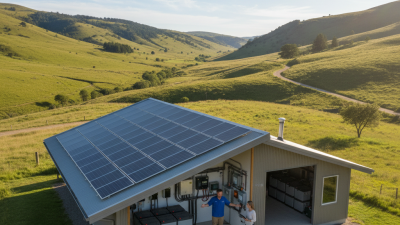
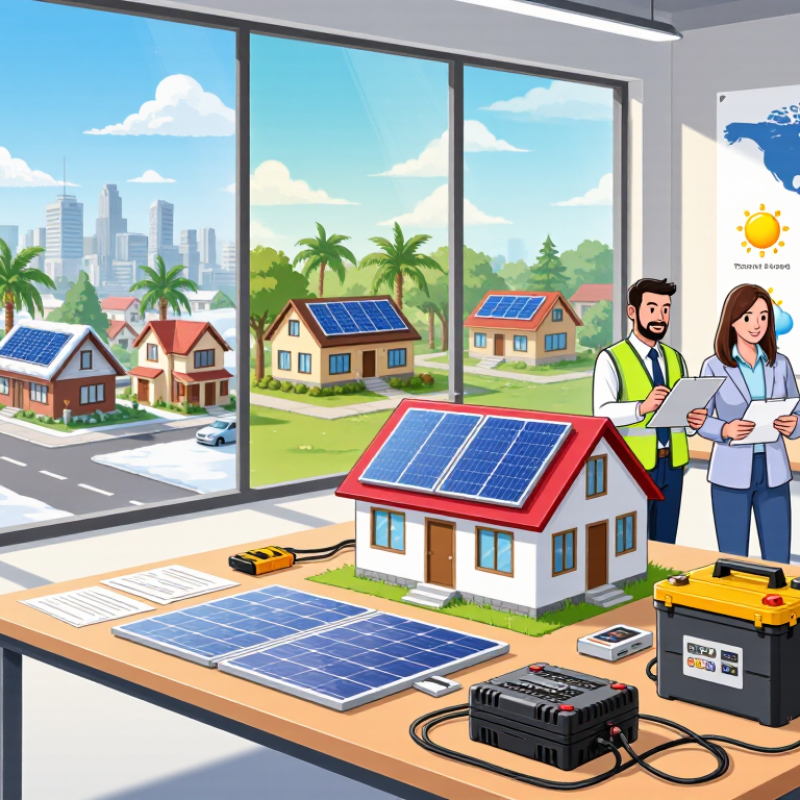
Understanding the system matters before comparing prices. Solar modules convert sunlight into direct current electricity. An inverter changes that current into usable alternating current for household appliances. Mounting structures hold the modules at a safe angle and protect them from wind. A battery stores excess power for nighttime or outages. Grid-connected systems may also require meters, disconnects, and protective devices. Each component must match the others. A powerful panel cannot fix an undersized inverter.
Tips: Check local electrical rules, roof loading limits, and weather conditions before ordering equipment. Ask for verified test reports and clear installation instructions. Confirm voltage, frequency, connector types, and warranty terms. These details vary across countries. They can also affect customs clearance and maintenance. Use a qualified installer familiar with regional standards. Small details matter. Measure twice.
During site assessments, shading often causes bigger losses than buyers expect. A chimney, nearby tree, or dusty surface can reduce daily output. Battery systems need ventilation, temperature control, and safe isolation. Cable length also matters because resistance creates energy loss. I have seen project plans that looked efficient on paper but ignored seasonal sunlight. That is a useful warning. Request a realistic production estimate based on local weather data, not ideal laboratory conditions. Leave space for future repairs. A system should be understandable, serviceable, and safe for the people who maintain it.
Begin with real energy records, not guesses. Check monthly electricity bills for at least one year. Note peak-use periods, such as hot afternoons or winter evenings. List each appliance, its wattage, and daily operating hours. A kettle, water pump, and refrigerator can create very different loads.
My first estimate was too low because I ignored startup power from a workshop motor. That mistake changed the required system size. Measure carefully. Short-term meter readings can reveal hidden demand. Separate essential loads from flexible ones, such as laundry or water heating. Consider future changes, including electric vehicles, new rooms, or home offices.
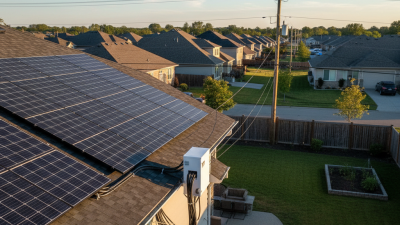
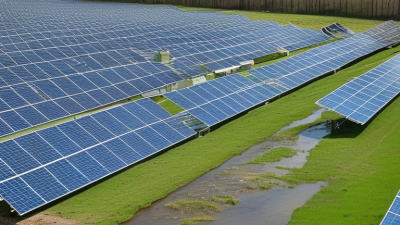
Sunlight must be assessed at the actual installation site. Walk around the roof during morning, noon, and late afternoon. Record shadows from trees, chimneys, walls, and nearby buildings. A roof may look bright but lose valuable winter sunlight. Local weather data also matters; cloudy regions need different expectations than dry, sunny areas. Orientation and roof angle affect yearly production, while dust, snow, salt air, and high temperatures can reduce output. Sometimes, ground installation is safer and easier to maintain. Sometimes, it is not.
Inspect the roof’s age, structure, drainage, and access before purchasing equipment. Leave space for safe servicing. Check whether batteries need ventilation, temperature control, or weather protection. Ask qualified local professionals to review electrical capacity, permits, and grid requirements. Independent measurements are valuable. Online calculators are useful, but they can oversimplify real sites.
Compare monocrystalline, thin-film, and emerging tandem modules by climate, roof space, and temperature. Efficiency is useful, but it is not everything. The IEA reports that solar photovoltaic additions reached about 420 gigawatts globally in 2023, showing rapid market growth. Check the test conditions behind every efficiency claim. Review annual energy yield, not only the panel’s peak rating. Choose an inverter that matches local voltage, frequency, and grid rules. Size the array from measured electricity use, seasonal demand, and future loads. A large system can waste money when export limits are strict. Real installations rarely match spreadsheet promises.
Treat batteries as a separate economic decision. Lithium-based systems offer strong efficiency, while other chemistries may improve safety or cycling durability. The IEA recorded more than 40 gigawatts of new grid-scale battery storage in 2023. Compare usable capacity, round-trip efficiency, warranty terms, and operating temperature. Do not confuse backup power with daily energy shifting. A battery needing frequent replacement may erase its expected savings. Ask for independent test results and clear degradation assumptions. Check local fire codes, recycling rules, and installer qualifications. Leave room for maintenance access. My own preference would be cautious sizing, because uncertain tariffs can change the payback. A smaller system may be wiser.
10 Solar Electric Tips for Global Buyers
Check local rules before comparing panels or batteries. Permit requirements, export limits, fire setbacks, and installer licensing vary by region. Ask the utility for written interconnection conditions. A system may work technically but still face approval delays. Confirm whether your property needs structural or heritage consent.
Safety standards deserve equal attention. Request compliance documents for IEC 61215 and IEC 61730 photovoltaic modules, plus certified inverters and battery systems. Check grounding, surge protection, isolation switches, cable routing, and roof access. Look for clear emergency labels. Small details matter. The International Energy Agency Photovoltaic Power Systems Programme reported more than 400 gigawatts of new solar capacity in 2023, making consistent safety practice increasingly important. Local electrical codes still control installation.
Compare total cost, not only the advertised equipment price. Include permits, transport, labor, taxes, inspections, replacement parts, and battery degradation. IRENA’s Renewable Power Generation Costs in 2023 report placed global weighted-average utility-scale solar costs at about USD 0.044 per kilowatt-hour, but household economics differ sharply by tariffs and sunlight. Read warranty exclusions carefully. Check product, performance, labor, transfer, and claim-response terms. Keep invoices and commissioning records. The cheapest offer can become expensive. A neat calculation may still overlook weak after-sales support.
Typical warranty ranges for key solar-electric components
Warranty terms vary by country, supplier, installation conditions, and product type. As a practical buying guide, photovoltaic modules commonly offer 10–15 years of product coverage and 25–30 years of performance coverage, while inverters and battery systems usually have shorter coverage periods. Before purchasing, check local grid rules, electrical safety requirements, certification against relevant IEC standards such as IEC 61215 and IEC 61730, installation costs, exclusions, labor coverage, and the process for making an international warranty claim.
Data shown as common market ranges in years, not a guarantee or quotation. Always confirm the exact written warranty.
Choosing a qualified installer is the first maintenance decision. Ask for electrical licenses, local grid experience, insurance, and written workmanship terms. Request three recent project references. One rooftop visit can reveal cable routing, drainage, shading, and access problems that paperwork misses. IEA PVPS reported more than 1.6 terawatts of global photovoltaic capacity by the end of 2023. Quality control now matters at enormous scale.
Cheap work gets expensive. Confirm that the installer follows local electrical codes and provides single-line diagrams, commissioning records, and equipment serial numbers. The handover should include torque checks, insulation testing, protection settings, and monitoring access. NREL research commonly uses about 0.5% annual module degradation as a planning assumption. However, heat, salt, dust, poor ventilation, and defective connections can accelerate losses.
Plan maintenance before the first kilowatt-hour. Review monitoring alerts monthly, inspect visible wiring twice yearly, and schedule professional electrical checks according to local conditions. Cleaning should follow measured soiling, not a fixed calendar. NREL’s Best Practices for Operation and Maintenance recommends documented inspections, performance tracking, and corrective-action records. Keep replacement space for inverters, surge protection, and batteries where applicable. No checklist catches everything. My own planning can still miss a hidden drainage issue or an unavailable spare part. A practical contract should define response times, data ownership, inspection frequency, and safe access for twenty years.