What Is the Best Solar Off Grid System in 2026?
The best Solar Off Grid System in 2026 is not simply the one with the most panels or the largest battery. It is the system sized around real daily consumption, local sunlight, and the number of cloudy days a household must manage. Amory Lovins, an energy-efficiency expert and co-founder of the Rocky Mountain Institute, is often quoted: “The cheapest energy is the energy you don’t use.” That principle matters off-grid, where an inefficient refrigerator or an electric heater can quickly increase the required system size.
A sound design starts with an honest load list: refrigerator, lights, pump, communications, and seasonal appliances. Then comes the careful match between solar array, battery capacity, inverter output, and backup plan. A LiFePO₄ battery may suit many installations, but temperature limits, warranty terms, and usable capacity still deserve close attention. Small details count. A shaded panel can underperform; a long cloudy stretch can test even a well-designed setup.
This guide compares system types and explains what to check before choosing equipment in 2026. It considers capacity, expandability, monitoring, installation demands, and the costs that product listings often leave out. There is no universal winner. A cabin used on weekends has different needs from a year-round home with a well pump. And estimates can be wrong. The useful question is not “Which system is best?” but “Which system can reliably meet my loads, where I live, without paying for capacity I will rarely use?”
What Defines a Solar Off-Grid System in 2026?
What Defines a Solar Off-Grid System in 2026?
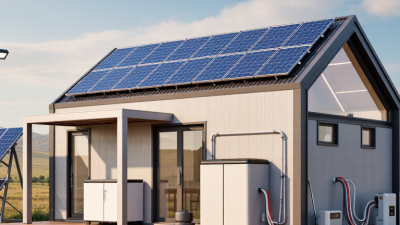
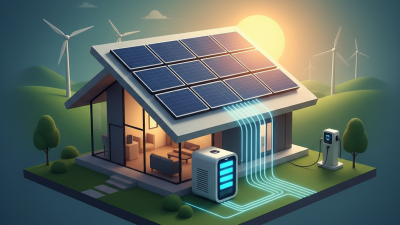
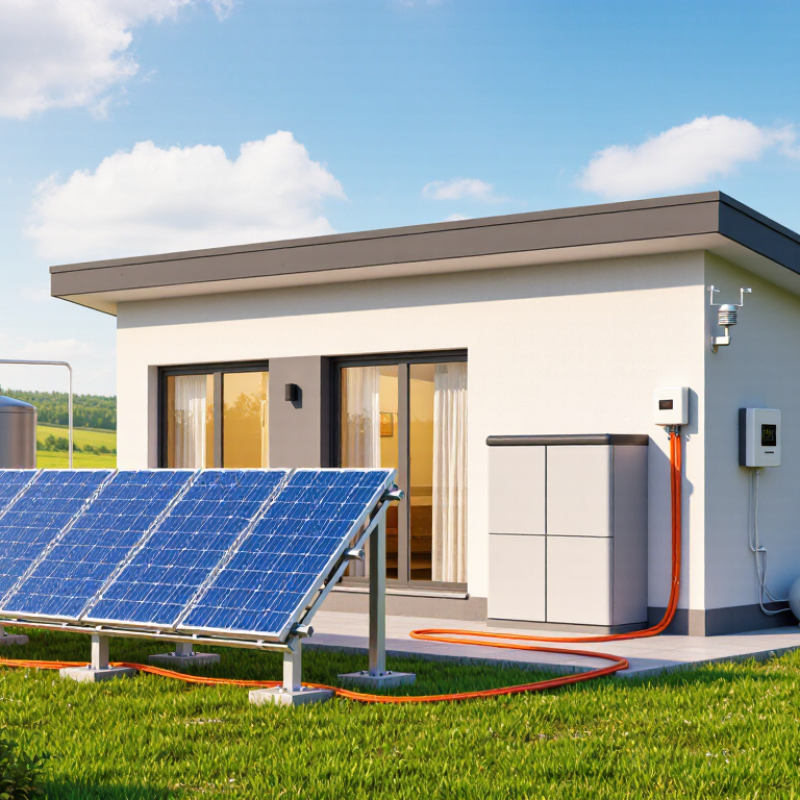
An off-grid solar system operates independently of the utility grid. It typically combines solar panels, a charge controller, batteries, and an inverter that supplies household AC power. A backup generator may help during extended cloudy periods, but it is optional. No utility line. Unlike a grid-connected array, the system must balance local production and demand through the night and across changing seasons.
Sizing begins with actual loads, not panel count alone. List daily energy use, peak power, and critical appliances, such as a refrigerator, well pump, or medical equipment. Then account for winter sunlight, battery capacity, inverter losses, and how many low-sun days the system should cover. NREL’s 2024 Annual Technology Baseline uses 85% round-trip efficiency as a modeling assumption for utility-scale battery storage; real systems vary with equipment and operating conditions. Stored energy is never returned perfectly.
Battery costs have also changed the design conversation. IRENA’s Renewable Power Generation Costs in 2023 reports an 89% decline in battery storage project costs from 2010 to 2023. Lower costs do not make every system affordable or correctly sized. A small cabin with efficient lights has different needs from a full-time home with electric heating. And honestly, the weakest part of many plans is the load estimate: one overlooked pump can reshape the whole design.
Which Components Determine System Performance?
A reliable off-grid solar system is not defined by panel wattage alone. Its performance depends on how the array, battery, inverter, and controls work together. Start with measured daily energy use, then note the largest loads and when they run. A kettle or well pump can create a brief demand far above average consumption. Peak demand matters. Array size must account for winter sunlight, shade, and panel orientation, not just a sunny-day estimate. A system that works in July may struggle through several cloudy December days.
Battery capacity determines how long essential loads can run without sunshine. Use usable capacity, temperature limits, and expected discharge depth—not just the headline capacity. Cold mornings count. The inverter must handle continuous demand and short motor-start surges; an undersized unit may trip even when the battery is full. The charge controller should match the array’s voltage and current while managing battery charging correctly. Cables, fuses, disconnects, and grounding also affect safety and energy losses. They are easy to overlook. Monitoring lets you compare actual production and use with your design. Still, spreadsheets can mislead: real habits change, and new loads often appear later. Leave room for measured adjustments.
How to read this chart: Bars show the midpoint of typical efficiency ranges; hover for the ranges. These benchmarks vary by equipment and operating conditions. PV module efficiency measures sunlight-to-electricity conversion, while the other figures describe conversion or storage efficiency. System performance also depends on correct array, battery, and inverter sizing, as well as shading and temperature.
How Do You Size a System for Your Energy Needs?
Sizing an off-grid system starts with the energy you actually use, not the number of panels you hope to install. Check utility bills, then list essential appliances and their daily running hours. A refrigerator, water pump, lights, and router may use around 6 kilowatt-hours per day, but real homes vary. Small loads add up. Measure where possible; appliance labels are only rough clues.
Next, size the battery for overnight use and cloudy-day backup. If your home needs 6 kilowatt-hours daily for two days, a battery rated near 17 kilowatt-hours may be a reasonable starting estimate, allowing for conversion losses and limited usable capacity. The inverter must also handle appliances running together, plus brief startup surges from motors. That is not trivial. A pump starting while a kettle is on can exceed the steady load.
Then estimate solar production using local winter sunlight, not just an annual average. With four peak sun hours and a 75 percent system efficiency assumption, 6 kilowatt-hours of daily use points to about 2 kilowatts of panels before adding recharge headroom. Snow, shade, and several dull days can change the result. A neat spreadsheet can still miss how a household behaves; review the estimates after tracking actual use, and leave room for uncertainty.
How Do Leading Off-Grid System Types Compare?
Off-grid solar systems differ mainly in how they store and manage power. A DC-coupled system sends panel electricity to batteries through one inverter, which can reduce conversion steps. An AC-coupled setup uses separate inverters, making it easier to add batteries to an existing solar array. For a new cabin, DC coupling may be simpler; for an existing home, AC coupling can be less disruptive. Neither option wins in every situation.
Battery chemistry and backup design matter just as much. NREL’s 2024 Annual Technology Baseline uses an 85% round-trip efficiency assumption for utility-scale lithium-ion storage. Treat that as a benchmark, not a promise for a household system: temperature, inverter losses, and battery settings change real-world results. Solar-plus-battery systems run quietly, but several cloudy days can drain reserves. Adding a generator improves resilience, though it brings fuel, maintenance, and noise. That trade-off is often underestimated.
Tips: Size the system from measured daily use, then check winter sunlight and surge loads from pumps or refrigerators. Ask for usable battery capacity and inverter continuous power, not just headline ratings. A neat comparison table can hide weak assumptions. Look closely.
How Can You Choose the Best System for Your Location and Budget?
What Is the Best Solar Off Grid System in 2026?
The best system is one sized for your actual needs, not the largest one your budget allows. Start by listing daily electricity use, including well pumps, refrigerators, lights, and seasonal heating or cooling. Check appliance labels or measure usage where possible; estimates can be surprisingly wrong. Then consider local peak-sun hours, winter weather, roof or ground shading, and available installation space. A shaded roof at 3 p.m. can change the design significantly.
Tips: Size the battery for essential loads and the longest likely stretch of cloudy weather. Match the inverter to both steady demand and brief surges from pumps or motors. Ask for itemized quotes showing equipment, installation, estimated production, and what happens if the system needs expansion. Compare options carefully.
Your location affects the balance between panels, batteries, and backup power. In a sunny region, more panels may be cost-effective; in a cloudy climate, extra storage alone may not solve low production. Set a realistic budget that includes mounting, wiring, permits, maintenance, and possible replacement costs. Ask a qualified installer to explain assumptions and safety protections in plain language. A modest system that reliably runs essential loads may be more useful than an ambitious design that strains your budget. Recheck your energy list before committing. You may have missed something.