MH Energy Your Better Solar and Energy Partner

Choosing the best Battery For Solar Energy in 2026 is less about finding a universal winner and more about matching a battery to your home. A family using air conditioning after sunset has different needs from a cabin with modest loads. Chemistry, usable capacity, power output, warranty, and system compatibility all matter. So does the installer.
The market is changing quickly. The International Energy Agency reported that battery storage additions in the power sector grew by about 130% in 2023, reaching 42 gigawatts. BloombergNEF reported that average lithium-ion battery pack prices fell 20% in 2024, to $115 per kilowatt-hour. Those figures describe broader markets, not the installed price of a residential system. That distinction matters. A low battery price does not guarantee a low-cost, reliable installation.
IEA Executive Director Fatih Birol has described batteries as “a key technology for the clean energy transition.” For homeowners, the practical question is what that technology can do at the meter: store midday solar, cover evening use, and provide backup when the grid goes down. There is no perfect pick. A battery that looks excellent on a specification sheet may disappoint if its usable capacity is too small or its controls do not suit the home. This guide compares leading options through those everyday details, while noting where published data cannot predict performance in every household. The right answer may be less exciting than a headline suggests. It should still be dependable.
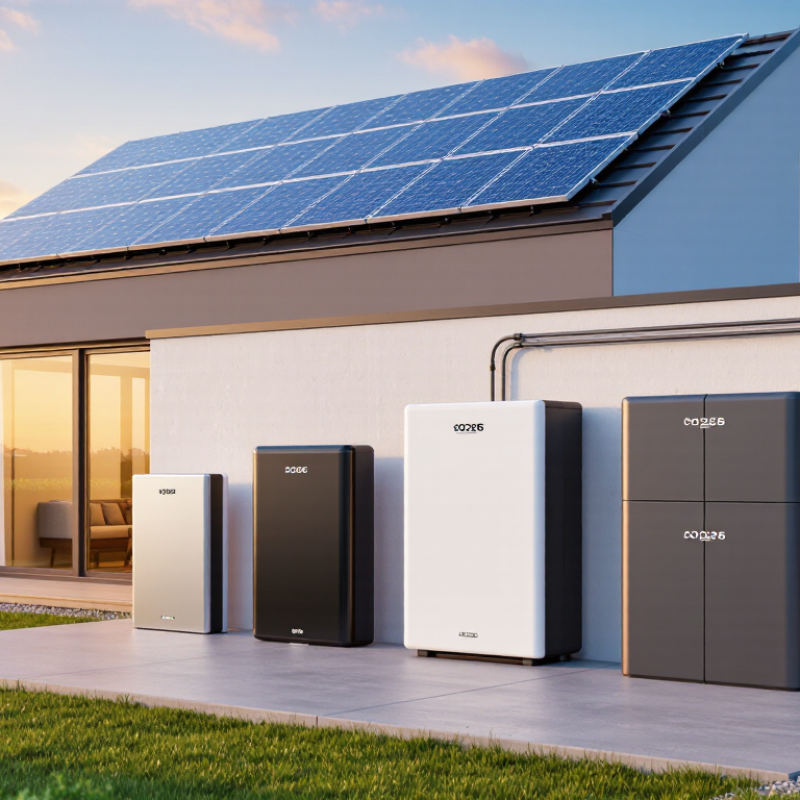
A suitable solar battery in 2026 is not simply the one with the largest capacity. It should store enough daytime surplus to cover evening use, while matching the inverter and household’s peak demand. Check usable capacity, continuous power, and round-trip efficiency, not just headline kilowatt-hours. Small details matter. A kettle and heat pump can draw far more power than lights.
For many homes, lithium iron phosphate (LFP) offers a useful balance of cycle life and thermal stability, though it may cost more upfront or occupy extra space. Compare the warranted capacity after the stated years or cycles, and read conditions covering temperature and depth of discharge. Keep the battery within its recommended temperature range. A cold garage can reduce available output; a hot, poorly ventilated room can accelerate wear. Installation quality matters too.
A well-matched system should reflect actual usage, local weather, and whether backup power is needed during outages. Ask for an estimate based on interval consumption data, and confirm that the battery can safely power the home during an outage if backup is promised. Consider service access, monitoring, and end-of-life recycling routes. Efficiency figures are not always measured under identical conditions, so comparisons can be messy. I would not choose by payback claims alone; future tariffs and household habits may change.
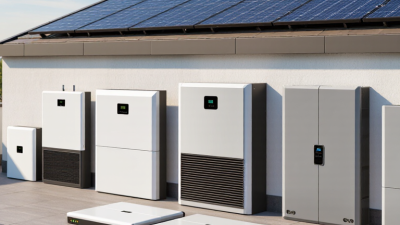
Solar batteries commonly use lithium iron phosphate (LFP), nickel manganese cobalt (NMC), lead-acid, or flow chemistry. LFP is popular for home storage because it offers long cycle life and relatively stable thermal behavior. NMC stores more energy in less space, which can help where installation room is tight. Neither chemistry removes the need for suitable ventilation, controls, and installation.
Cost and maturity also shape the choice.
The International Energy Agency’s Batteries and Secure Energy Transitions (2024) reported that lithium-ion battery prices fell 14% in 2023. The IEA also reported that LFP supplied about 40% of the electric-vehicle battery market that year.
That figure is not a measure of solar installations, but it signals broad manufacturing scale. Lead-acid remains familiar and may cost less upfront, yet its shorter cycle life and limited usable capacity can mean more replacements.
Flow batteries store energy in liquid electrolytes held in tanks, making them suited to longer discharge periods, though their equipment can take up more space.
Sodium-ion systems are emerging, but their availability and performance vary. Check the details.
A battery’s usable capacity, round-trip efficiency, warranty conditions, and operating temperature matter as much as its chemistry. Real-world results can differ from laboratory figures, and household load patterns are easy to underestimate.
Choosing the best solar battery in 2026 means comparing more than its advertised capacity. Capacity, measured in kilowatt-hours, tells you how much energy it can store. Power, measured in kilowatts, shows how quickly it can deliver that energy. A 10 kWh battery with modest power may run lights and a refrigerator overnight, but struggle with several large appliances at once. That difference matters.
Round-trip efficiency measures how much stored electricity you can use after charging losses. A higher figure can reduce wasted solar energy, though real results also depend on temperature, inverter settings, and usage patterns. Lifespan involves both calendar age and charge cycles; usable capacity may gradually decline. Check the warranty’s capacity-retention terms, not just its headline cycle count. There is no perfect ranking. It is easy to focus on one impressive number and overlook the others.
Tips: List the appliances you need during an outage, then check their combined running power and any brief startup surges. Compare usable capacity, not only total capacity. Ask how cold or hot conditions affect performance. One detail buyers sometimes miss: a battery sized for nightly use may not cover a long cloudy spell, so review your actual seasonal consumption before choosing.
A practical comparison of common stationary battery chemistries for solar energy storage. Actual performance depends on the specific battery, inverter, operating conditions, and warranty.
| Comparison | Lithium Iron Phosphate (LFP) | Lithium Nickel Manganese Cobalt (NMC) | Lead-Acid | Vanadium Redox Flow |
|---|---|---|---|---|
| Usable capacity | Typically designed to use about 80–100% of rated capacity, depending on the product and reserve settings. | Typically designed to use about 80–95% of rated capacity, depending on the product and reserve settings. | Often limited to about 50% depth of discharge for longer service life; deeper discharge is possible but may shorten life. | Often capable of deep discharge, commonly around 80–100% of rated capacity, subject to system design. |
| Power and discharge duration | Power is set by the battery and inverter configuration; residential systems are commonly designed for roughly 1–4 hours at rated output. | Power is set by the battery and inverter configuration; residential systems are commonly designed for roughly 1–4 hours at rated output. | Power depends strongly on battery design and discharge rate; often used for shorter-duration backup or modest loads. | Energy and power can be sized more independently; commonly suited to multi-hour storage, often around 4–12 hours or more. |
| Typical round-trip efficiency | About 85–95% for a complete system, depending on measurement method and operating conditions. | About 85–95% for a complete system, depending on measurement method and operating conditions. | About 70–85%, with results affected by charge rate, temperature, and battery condition. | About 65–85%, depending on system design and auxiliary energy use. |
| Typical cycle life | Approximately 3,000–8,000 cycles; results vary with depth of discharge, temperature, and charging practices. | Approximately 2,000–6,000 cycles; results vary with depth of discharge, temperature, and charging practices. | Approximately 500–1,500 cycles; frequent deep discharges generally reduce cycle life. | Often approximately 10,000–20,000 or more cycles; stack and electrolyte life are not identical. |
| Indicative service life | Often around 10–20 years in well-designed stationary applications. | Often around 8–15 years in stationary applications. | Often around 3–10 years, depending on battery type and usage. | Potentially around 20–30 years for the system, with maintenance or component replacement as needed. |
| Main strengths | Long cycle life, strong efficiency, and good thermal stability; widely suited to daily home solar cycling. | High energy density and compact size; useful where space or weight is a priority. | Established technology and often lower upfront cost; recycling infrastructure is widely available. | Long cycle life and flexible separation of energy capacity from power output; suited to larger, long-duration installations. |
| Main trade-offs | Generally larger and heavier than some high-energy-density lithium-ion designs. | Typically requires careful thermal and battery-management controls; cycle life varies considerably by design. | Lower usable capacity and efficiency, with more frequent replacement under regular cycling. | Typically larger and more complex than residential lithium-ion systems, with pumps and auxiliary equipment. |
| Best fit | Best overall fit for many homes seeking daily solar storage, long life, and a balance of efficiency and safety. | Homes prioritizing a compact battery where the specific product and installation meet their needs. | Backup-focused systems with limited cycling and a strong emphasis on upfront cost. | Commercial or utility-scale projects needing long-duration storage and frequent cycling. |
How to compare: Capacity is measured in kilowatt-hours (kWh), while power is measured in kilowatts (kW). Chemistry alone does not determine either value: compare the usable kWh, continuous and peak kW, efficiency definition, warranty, and cycle-life test conditions of the complete system. Figures above are indicative ranges, not guaranteed specifications.
What Is the Best Battery for Solar Energy in 2026?
How Do Cost, Safety, and System Compatibility Affect Battery Choice?
The best solar battery depends on your household’s energy use, backup needs, and existing equipment. Compare installed cost with usable capacity, efficiency, warranty terms, and expected service life. A low upfront price may look attractive, but replacement costs can change the calculation. There is no perfect match; even careful estimates can miss future changes in electricity use.
Safety deserves equal attention. Lithium iron phosphate batteries are often chosen for their thermal stability, but no chemistry removes every risk. Ask about installation clearances, ventilation requirements, protective controls, and emergency procedures. Compatibility matters, too. Check that the battery’s voltage and communication requirements work with your inverter. Confirm whether your system supports backup power and which circuits it can keep running. A refrigerator and a few lights may be realistic; an entire home may not be.
Tips: Review your recent electricity bills and list essential backup loads. Ask a qualified installer to confirm compatibility in writing. Compare the full installed cost, not just the battery price.
The best solar battery depends on what your home needs it to do. A household that wants evening power has different priorities from one preparing for frequent outages. Start with your daily electricity use, then check which appliances must keep running. A refrigerator, several lights, and a router need less capacity than electric heating or cooking. Small details matter.
For regular daily cycling, lithium iron phosphate batteries are often a practical fit. They generally offer good usable capacity and long cycle life, though the upfront cost can be higher. Lead-acid batteries may cost less initially, but they usually need more careful maintenance and provide less usable energy for their rated capacity. That trade-off is easy to underestimate. Check the battery’s usable kilowatt-hours, round-trip efficiency, warranty terms, and compatibility with your inverter—not just its advertised capacity.
Climate and installation space also affect the choice. Batteries can lose performance in very cold or hot conditions, so review the manufacturer’s operating temperature range and plan for suitable placement. If backup power is the priority, ask how much output the battery can deliver at once; stored energy alone does not tell you whether it can start a pump or run multiple appliances. I would not size a system from one unusually high-use day. Use recent bills or monitoring data, and leave room for uncertainty.
Typical round-trip efficiency ranges by battery chemistry
Lithium iron phosphate (LFP) and other lithium-ion batteries typically deliver high round-trip efficiency, making them a strong fit for frequent daily cycling. Lead-acid batteries may suit lower-cost, occasional-use systems, while flow batteries are designed for stationary, longer-duration storage. Efficiency is only one factor: compare usable capacity, cycle life, safety, system cost, and backup-power needs. Figures are typical ranges; actual performance varies with equipment and operating conditions.